1601 - 1666
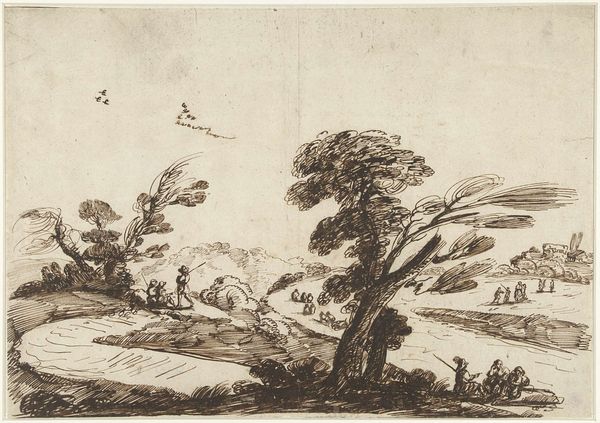
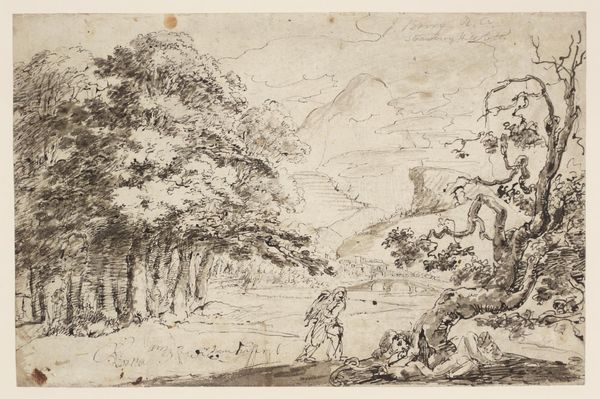
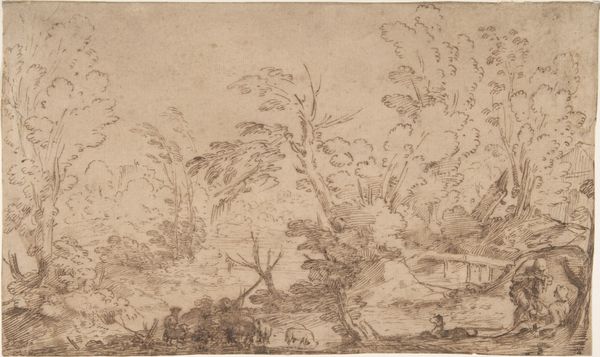
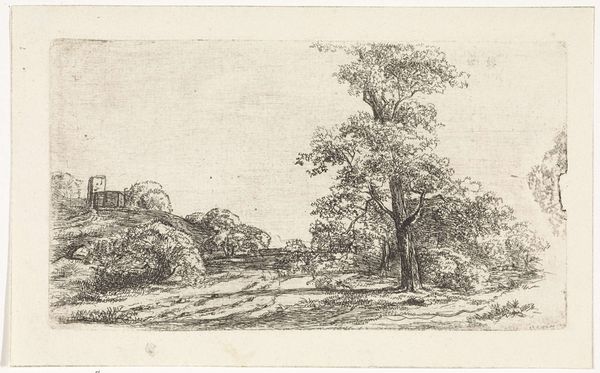
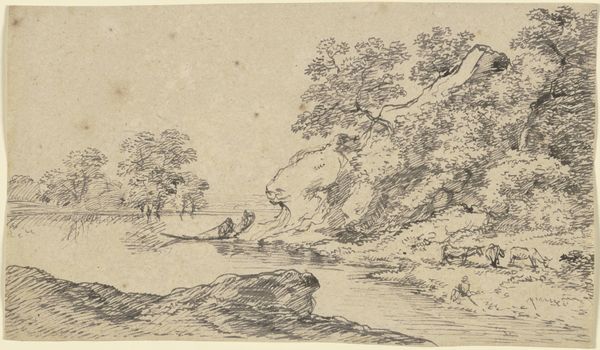
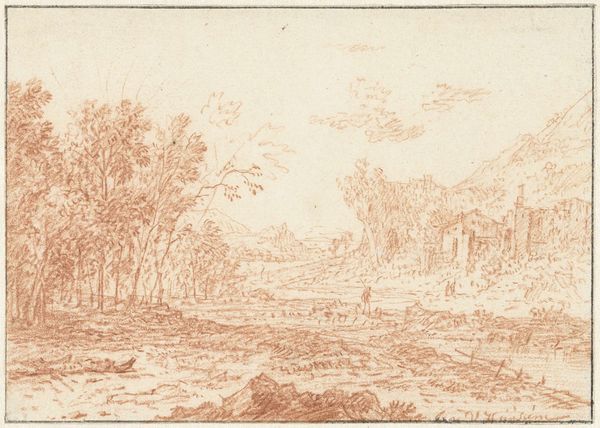
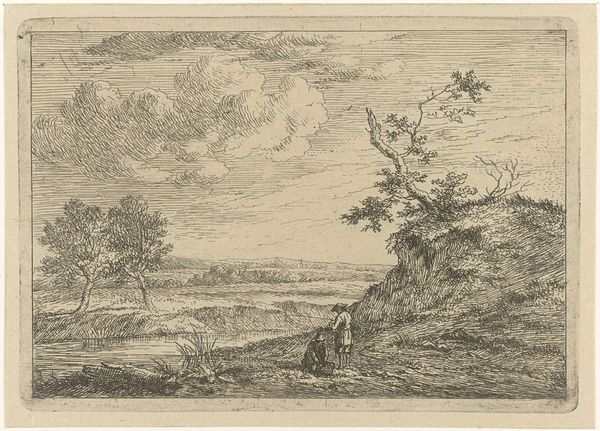
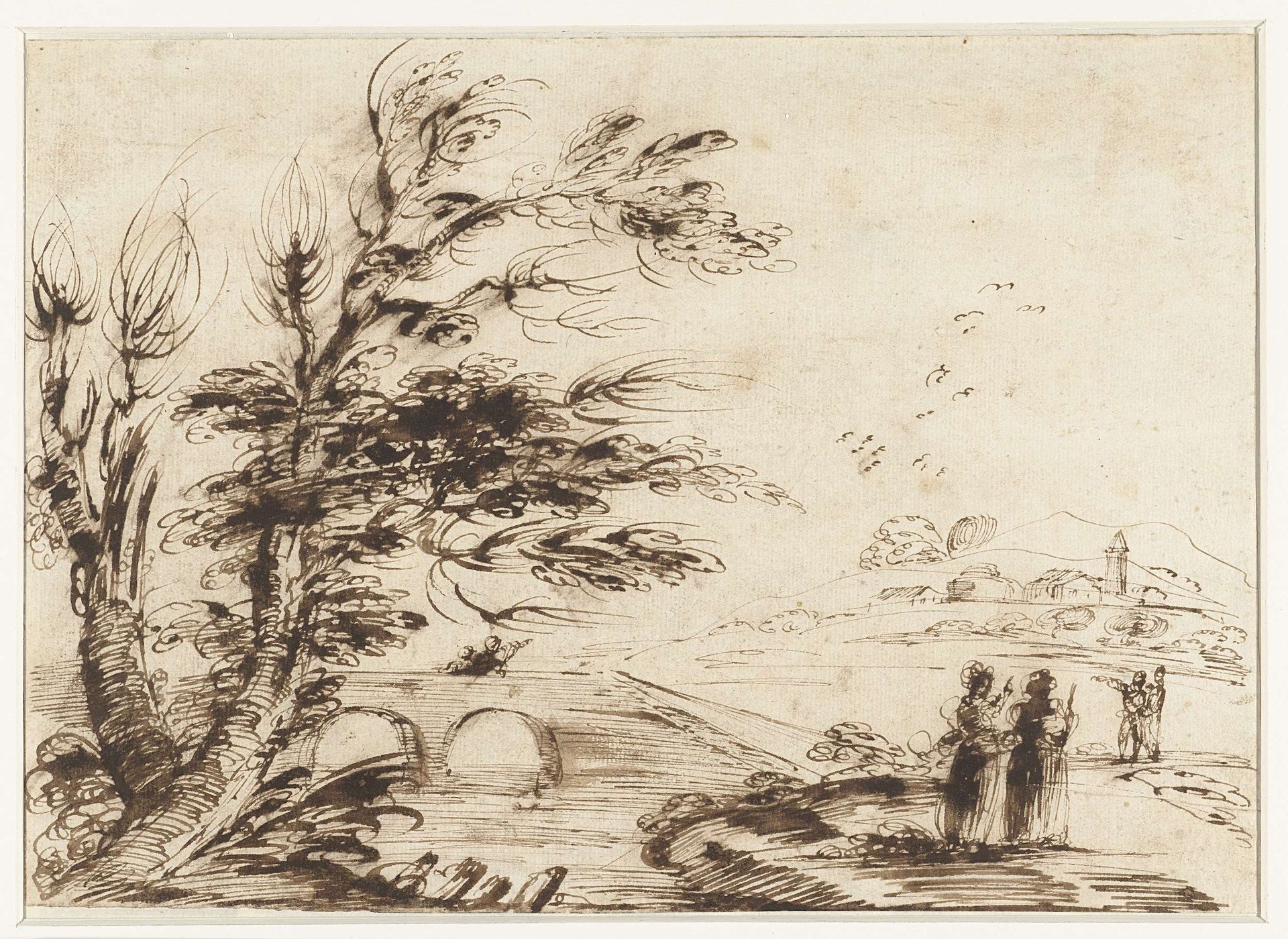
Landschap met een brug en enkele figuren

Guercino
1591 - 1666Location
RijksmuseumListen to curator's interpretation
Curatorial notes
Guercino made this landscape with a bridge and some figures using pen and brown ink. It’s a scene which brings to mind the picturesque aesthetic of 17th-century Italy, and although undated, it reflects the artistic and social milieu in which Guercino operated. Italy at this time was shaped by the Counter-Reformation, and as such the church was the most important patron. While landscapes were becoming increasingly popular, they often carried symbolic or allegorical meanings, reflecting religious or moral themes. Guercino's style, characterized by its emotional intensity and dramatic use of light and shadow, aligns with the Baroque sensibilities of his time. To understand this work fully, one could investigate the artist’s relationship with his patrons, the influence of the Roman art academy, and the contemporary taste for idealized landscapes. This drawing offers a lens through which we can examine the cultural values and artistic conventions of 17th-century Italy.