1872
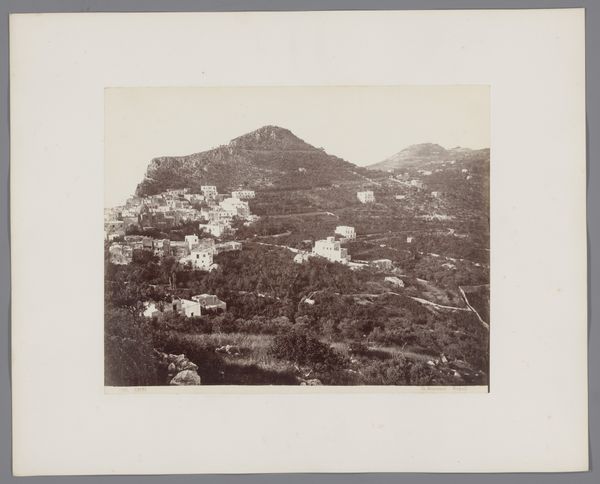
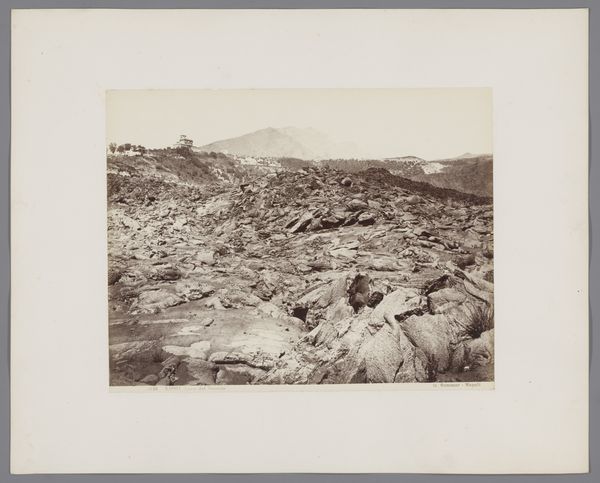
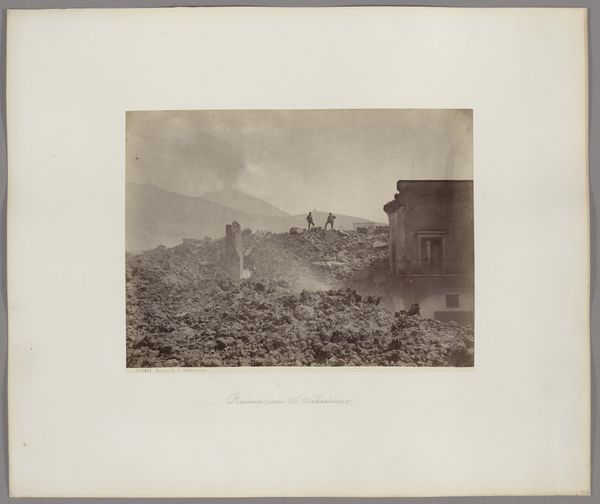
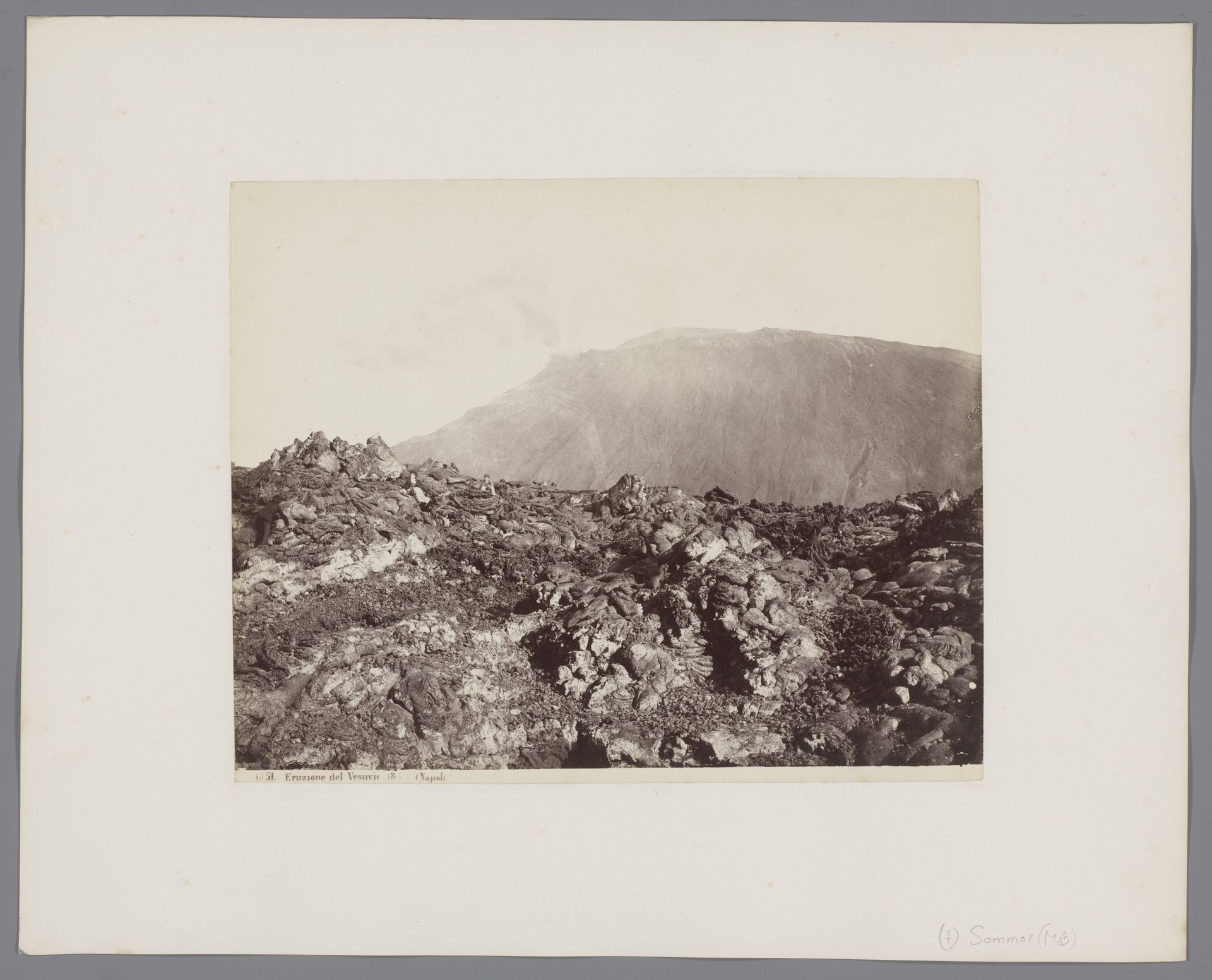
Uitbarsting van de Vesuvius in 1872, Italië

Giorgio Sommer
1834 - 1914Location
RijksmuseumListen to curator's interpretation
Curatorial notes
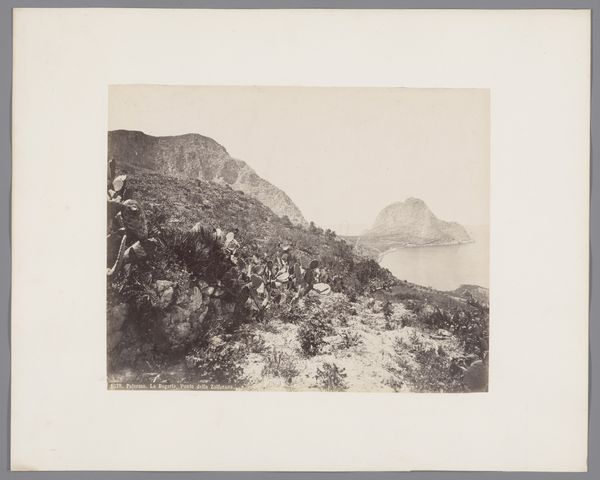
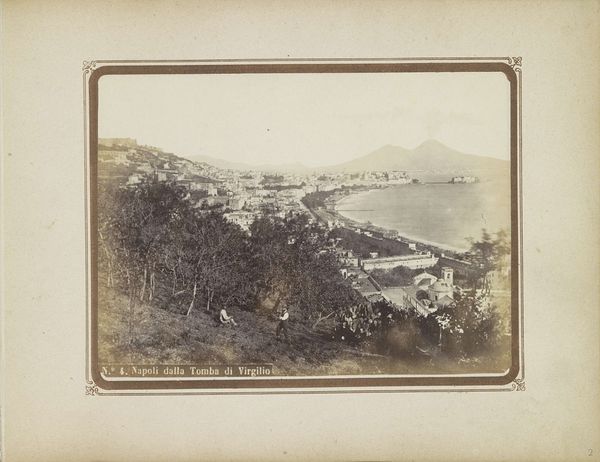
Editor: This is Giorgio Sommer's photograph, "Eruption of Vesuvius in 1872, Italy," a gelatin silver print currently held at the Rijksmuseum. It's such a textured image, all those rocks and the imposing mountain behind them. How do you interpret the photograph, seeing it today? Curator: Considering Sommer’s choice of the gelatin silver print, we should ask, what did this material afford him in capturing Vesuvius in 1872? It granted a new level of detail. We see not just the landscape, but the traces of its creation – the hardened lava, the very material of the eruption now rendered visible. And, let’s consider the context of consumption: who was buying photographs like these? What narratives of labor and land are embedded in its viewing? Editor: That’s fascinating. It’s easy to get lost in the romantic imagery, but thinking about who was buying it, and how it was made, shifts the whole picture. The process itself becomes a subject. Curator: Precisely! Photography was changing how people perceived both natural events and how images of them were produced and disseminated. This wasn’t just about aesthetics; it was about the means of representing reality through a specific technological and material apparatus. The mass production of images, for instance, influences our access to experiencing far-off phenomena like this eruption. It flattens and makes consumable things that were once only for an elite few, which democratizes art, in a way. Editor: I never thought about it like that, this changes my thinking a lot about how we experience landscape. Curator: Think, then, about the chemical processes used, the darkroom labour, the societal thirst for the sensational and picturesque. It all converges in this one "simple" photograph. Editor: Thanks! Thinking about how images are constructed gives an entirely new dimension to the photograph, and art in general.