c. 3th century
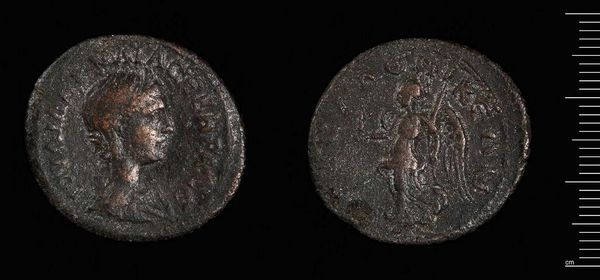
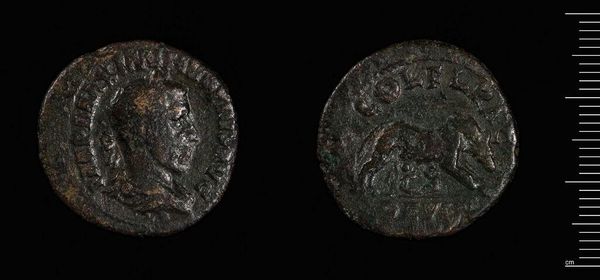
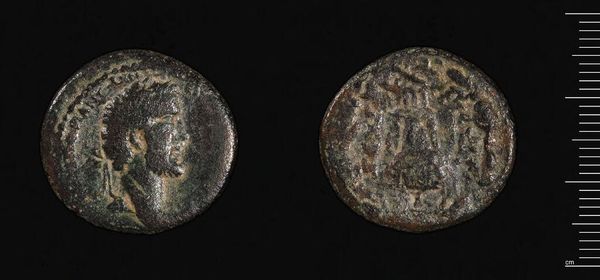
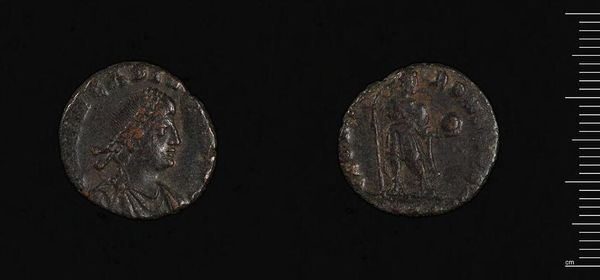
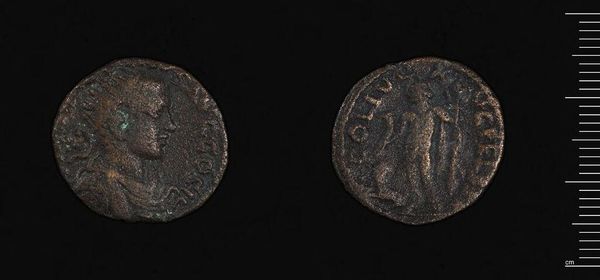
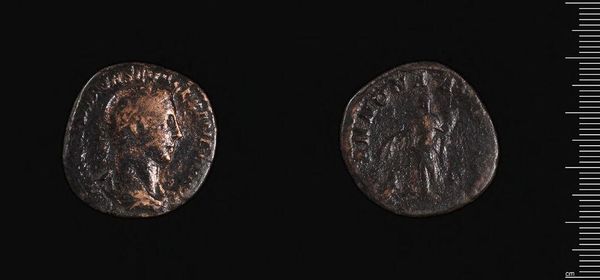
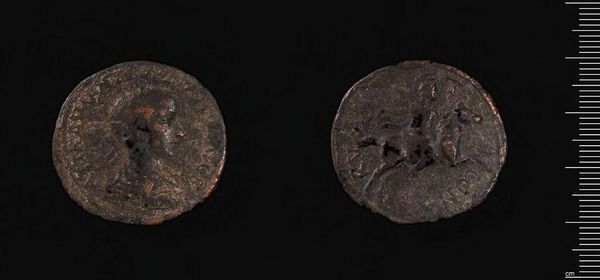
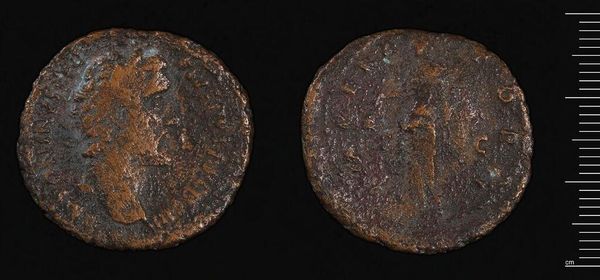
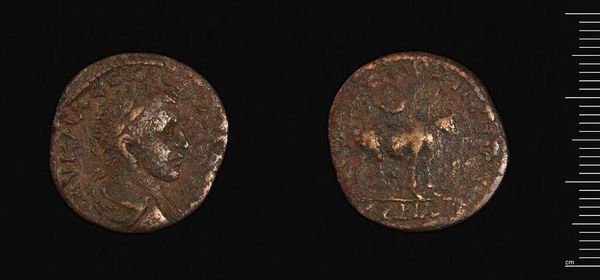
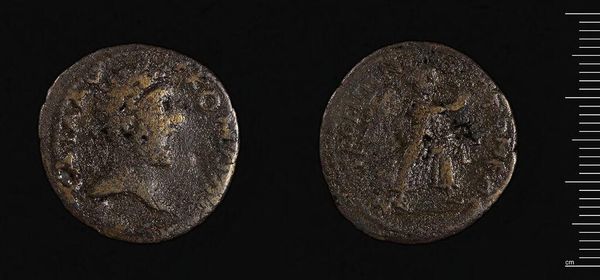
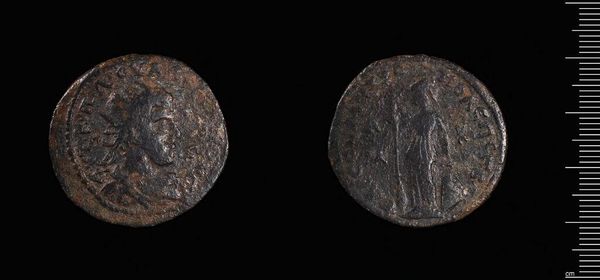
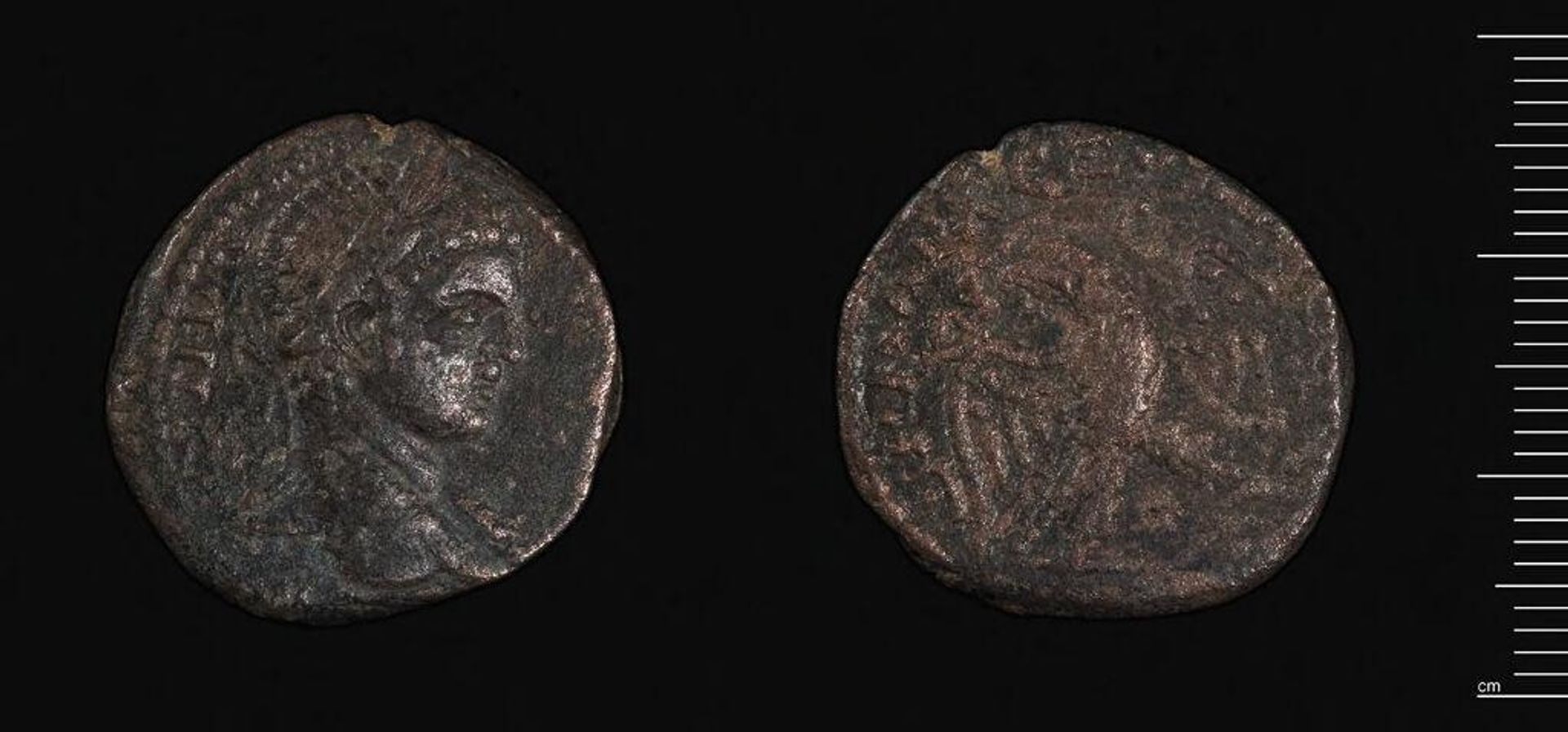
Coin of Antioch under Elagabalus

Listen to curator's interpretation
Curatorial notes
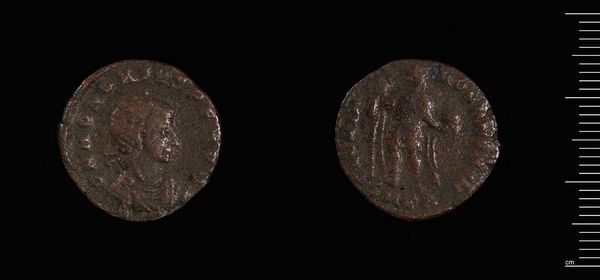
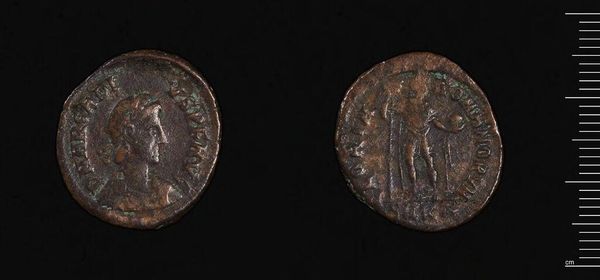
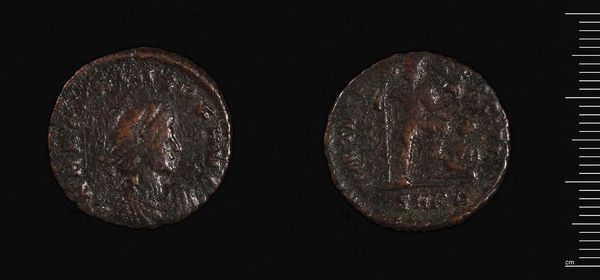
Curator: This is a coin of Antioch under Elagabalus, part of the Harvard Art Museums collection. It weighs 10 grams. Editor: There's something incredibly tactile about it, like holding a piece of history worn smooth by time and human hands. Curator: Its existence speaks volumes about power, currency, and the complex sociopolitical landscape of the Roman Empire. The very material tells a story of extraction, labor, and control. Editor: Absolutely. Coins like this were also powerful propaganda tools. Elagabalus was a controversial emperor, and every aspect of his image, even on a small coin, was carefully crafted to convey authority. Curator: Indeed. The material reality of this coin—its weight, its composition—was integral to its value and function within that system of power. Editor: When I look at this, I wonder how many hands it passed through, and the stories it could tell about trade, taxation, and the everyday lives of people under Roman rule. Curator: A tangible link to a distant past, revealing the material networks and power structures that shaped our world. Editor: It makes you consider how much the objects we use reflect and influence our own values and power dynamics today.