About this artwork
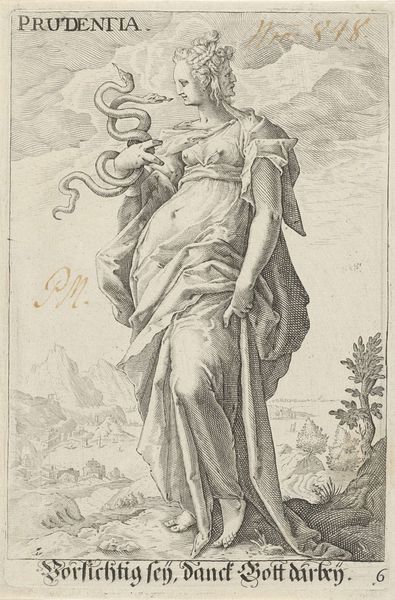
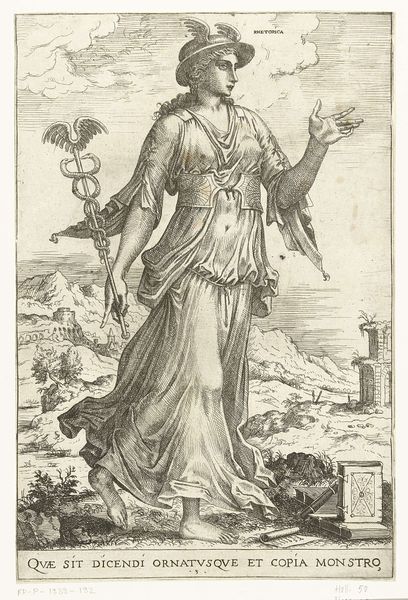
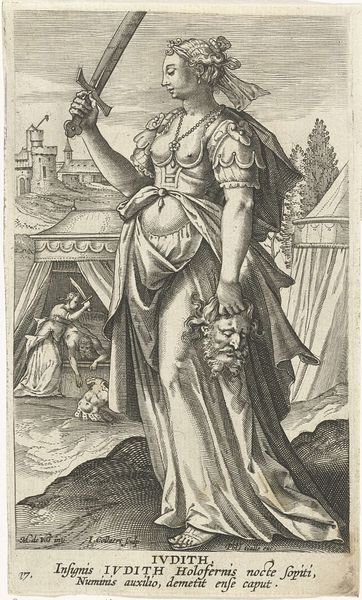
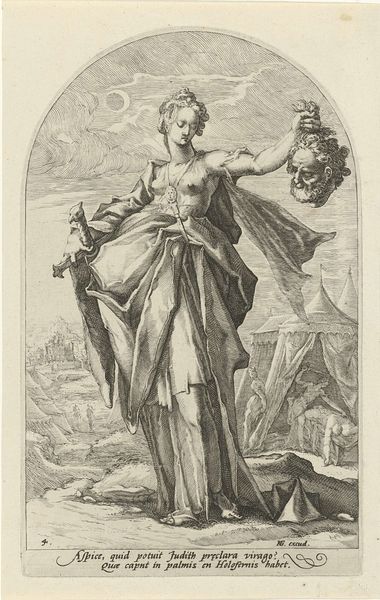
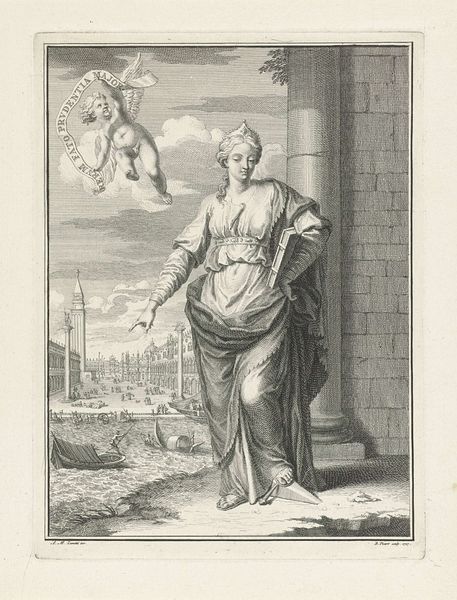
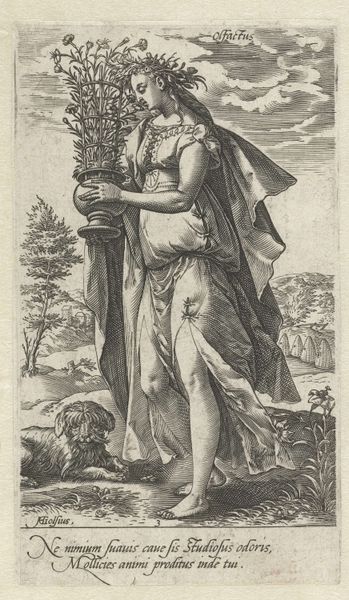
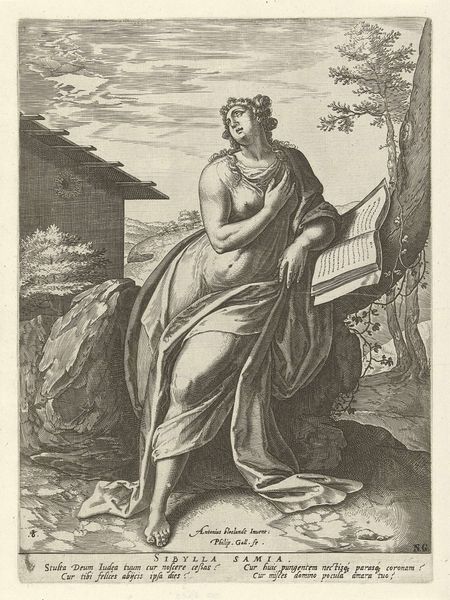
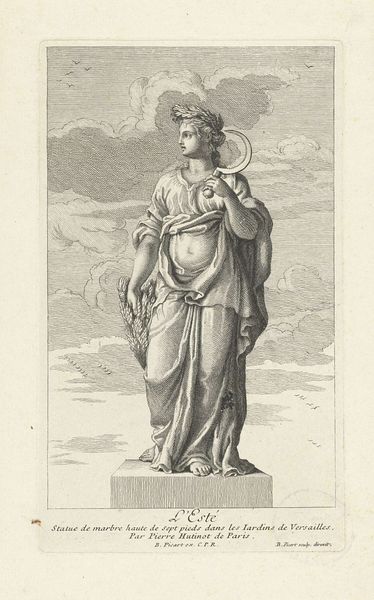
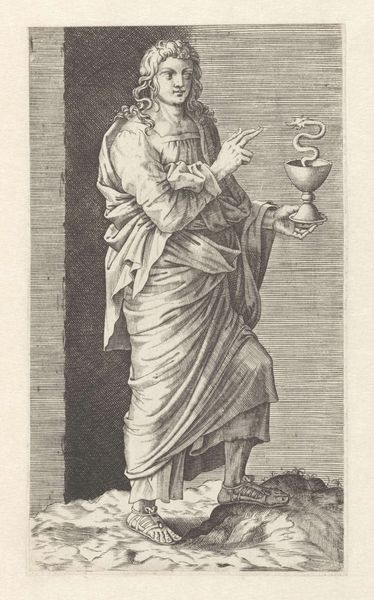
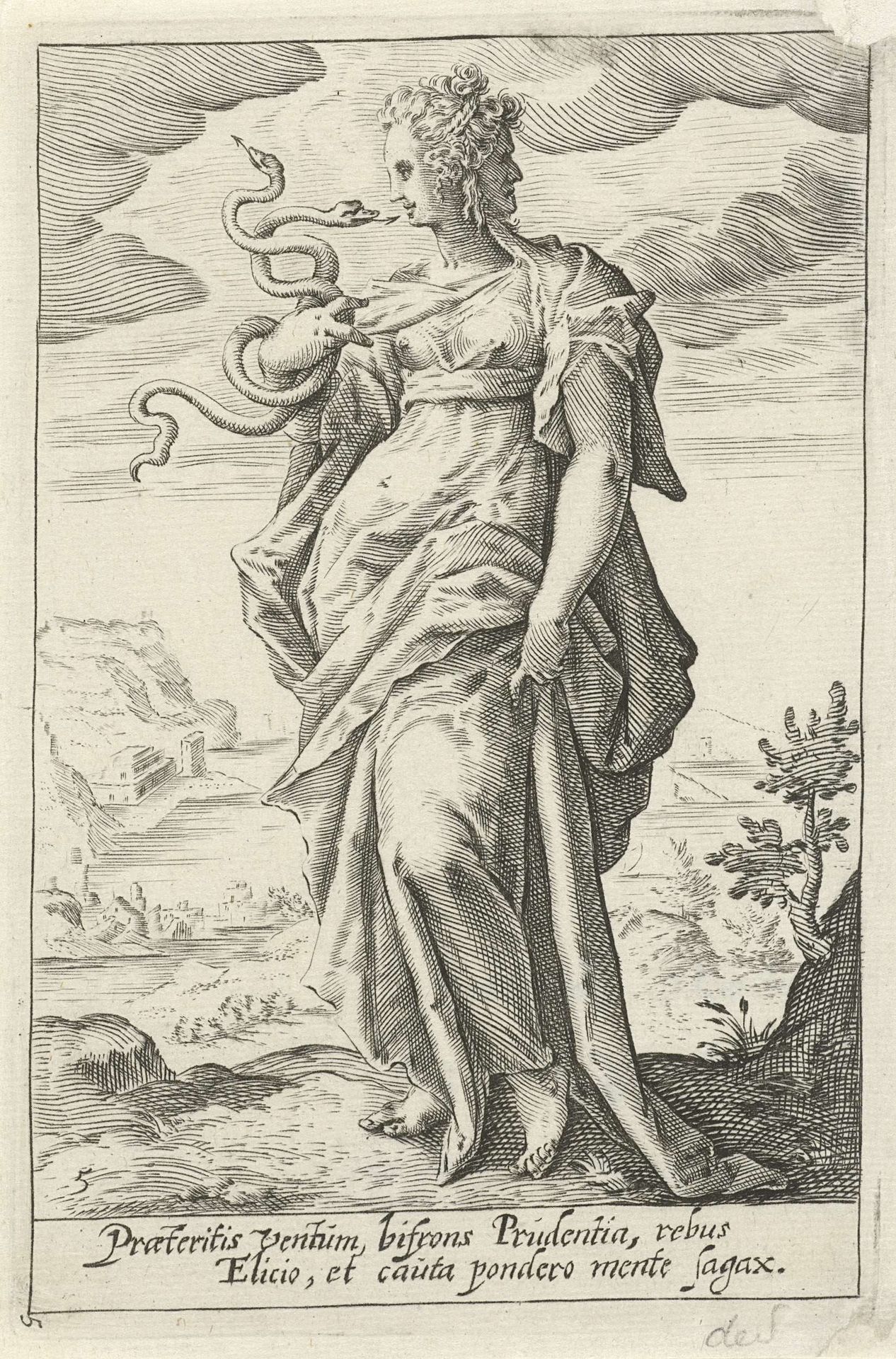
This engraving shows an allegorical figure of Prudence, made by an anonymous artist. Classical allegories like Prudentia often embodied the virtues and values that shaped societal expectations, especially for women. Prudentia, with her two faces looking to the past and future, and the serpent, embodies wisdom, reflection, and foresight. She holds a mirror, symbolizing self-awareness. In a patriarchal society, women were often expected to embody virtues like prudence and caution. This image would have reinforced those expectations. It's fascinating to consider how these representations shaped women’s identities and roles. While seemingly straightforward, this image opens up conversations about the complex relationships between gender, morality, and power in the historical imagination. Looking at Prudentia today invites us to question the values we uphold and how they shape our understanding of ourselves and others.

Artwork details
- Medium
- print, engraving
- Dimensions
- height 143 mm, width 94 mm
- Location
- Rijksmuseum
- Copyright
- Rijks Museum: Open Domain
Tags
portrait
medieval
allegory
mannerism
figuration
line
history-painting
engraving
Comments
No comments
About this artwork
This engraving shows an allegorical figure of Prudence, made by an anonymous artist. Classical allegories like Prudentia often embodied the virtues and values that shaped societal expectations, especially for women. Prudentia, with her two faces looking to the past and future, and the serpent, embodies wisdom, reflection, and foresight. She holds a mirror, symbolizing self-awareness. In a patriarchal society, women were often expected to embody virtues like prudence and caution. This image would have reinforced those expectations. It's fascinating to consider how these representations shaped women’s identities and roles. While seemingly straightforward, this image opens up conversations about the complex relationships between gender, morality, and power in the historical imagination. Looking at Prudentia today invites us to question the values we uphold and how they shape our understanding of ourselves and others.
Comments
No comments