About this artwork
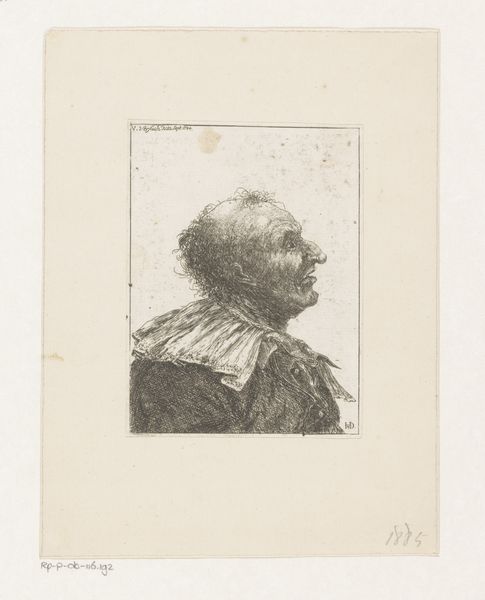
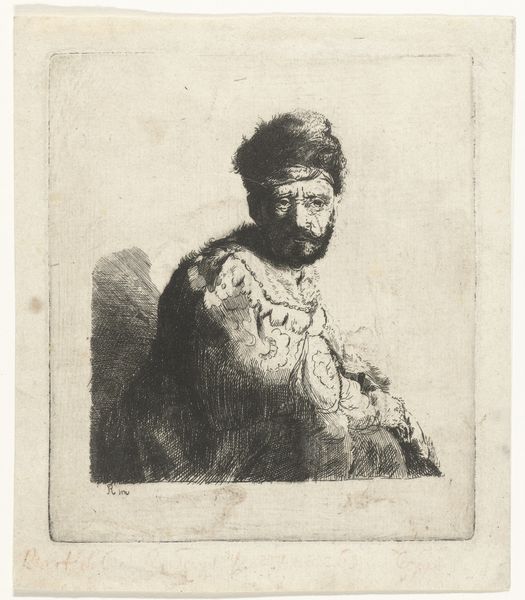
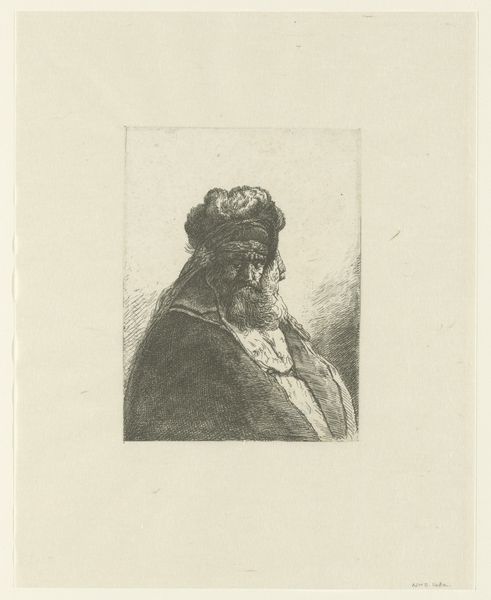
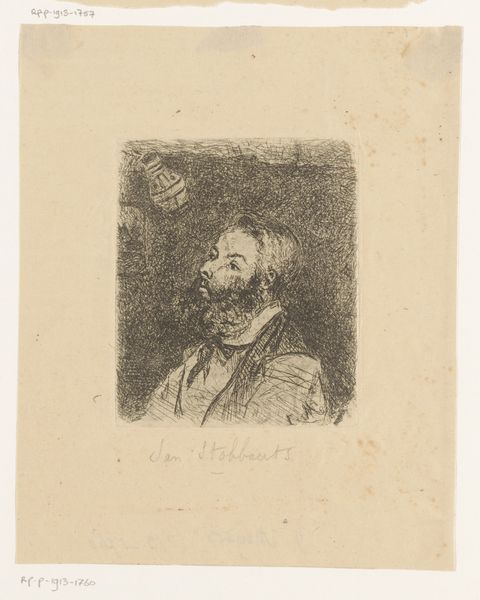
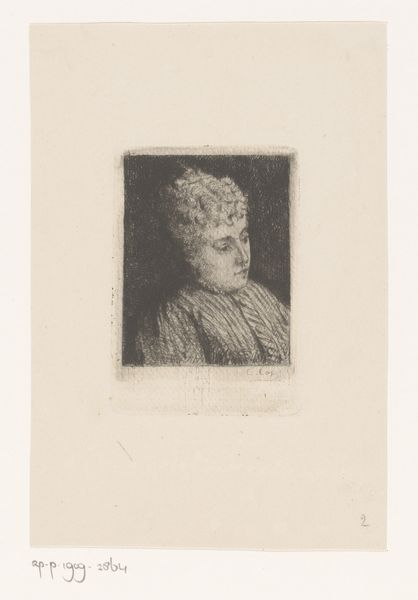
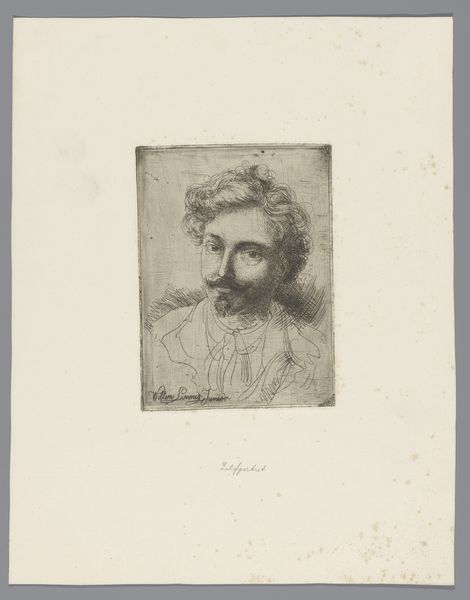
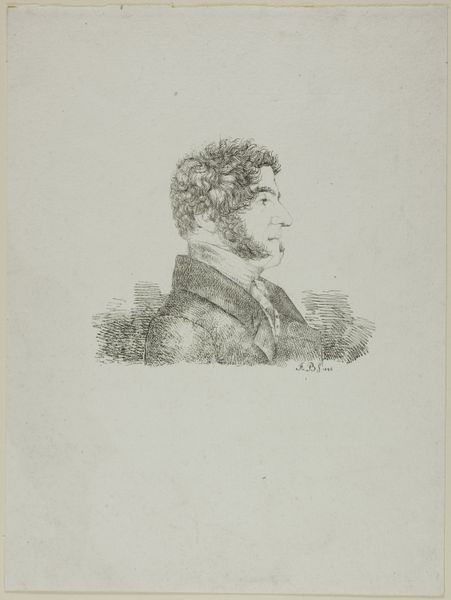
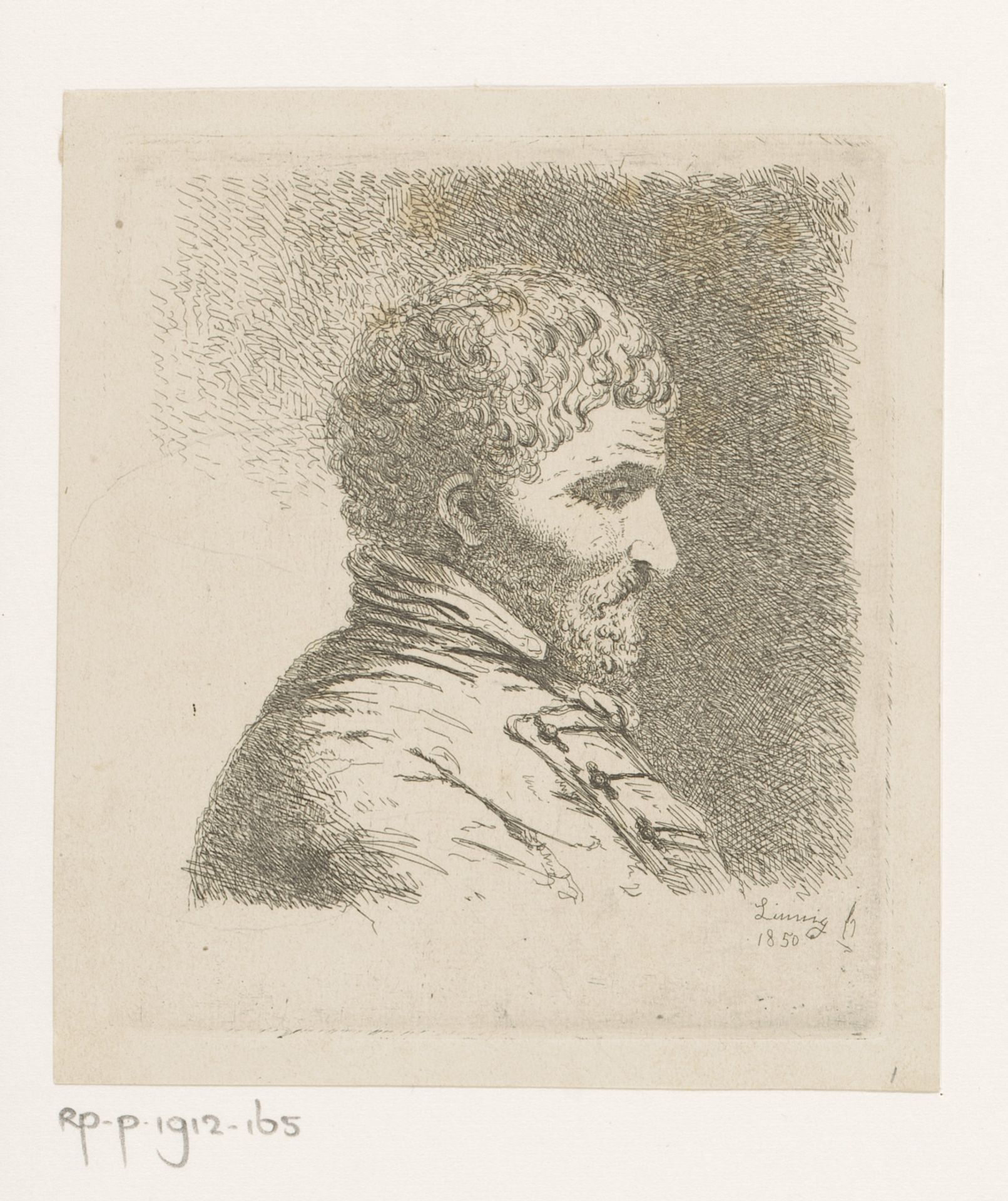
Jean Théodore Joseph Linnig created this small etching of an unknown man in 1850. Immediately, the texture captivates—a dense accumulation of fine lines forming areas of shadow and depth. Linnig masterfully employs hatching and cross-hatching to define the contours of the man’s face and the folds of his garment. The composition, dominated by the man's profile, directs our gaze along the sharp lines of his nose and beard. The texture is almost palpable, inviting a tactile experience that contrasts with the flatness of the print. We can see this technique as Linnig’s focus on form and structure. The use of such a linear approach invites us to consider the semiotic function of line itself. Each stroke, seemingly simple, contributes to a complex system of representation. The interplay between light and shadow is not merely decorative; it’s fundamental to how we perceive volume and space. The linear texture serves as both image and code, a testament to the enduring power of form.

Artwork details
- Medium
- print, etching, engraving
- Dimensions
- height 106 mm, width 93 mm
- Copyright
- Rijks Museum: Open Domain
Tags
Comments
Share your thoughts
About this artwork
Jean Théodore Joseph Linnig created this small etching of an unknown man in 1850. Immediately, the texture captivates—a dense accumulation of fine lines forming areas of shadow and depth. Linnig masterfully employs hatching and cross-hatching to define the contours of the man’s face and the folds of his garment. The composition, dominated by the man's profile, directs our gaze along the sharp lines of his nose and beard. The texture is almost palpable, inviting a tactile experience that contrasts with the flatness of the print. We can see this technique as Linnig’s focus on form and structure. The use of such a linear approach invites us to consider the semiotic function of line itself. Each stroke, seemingly simple, contributes to a complex system of representation. The interplay between light and shadow is not merely decorative; it’s fundamental to how we perceive volume and space. The linear texture serves as both image and code, a testament to the enduring power of form.
Comments
Share your thoughts