1772 - 1840
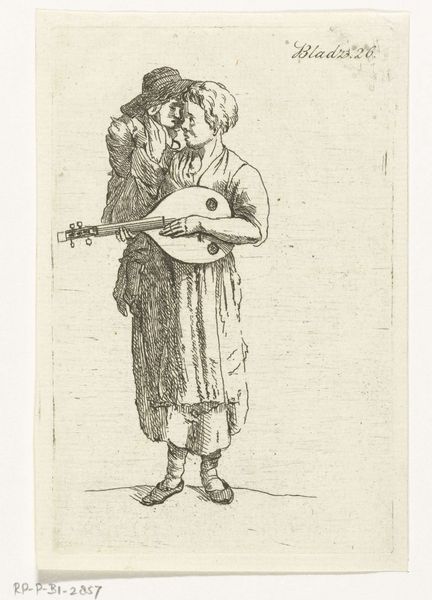
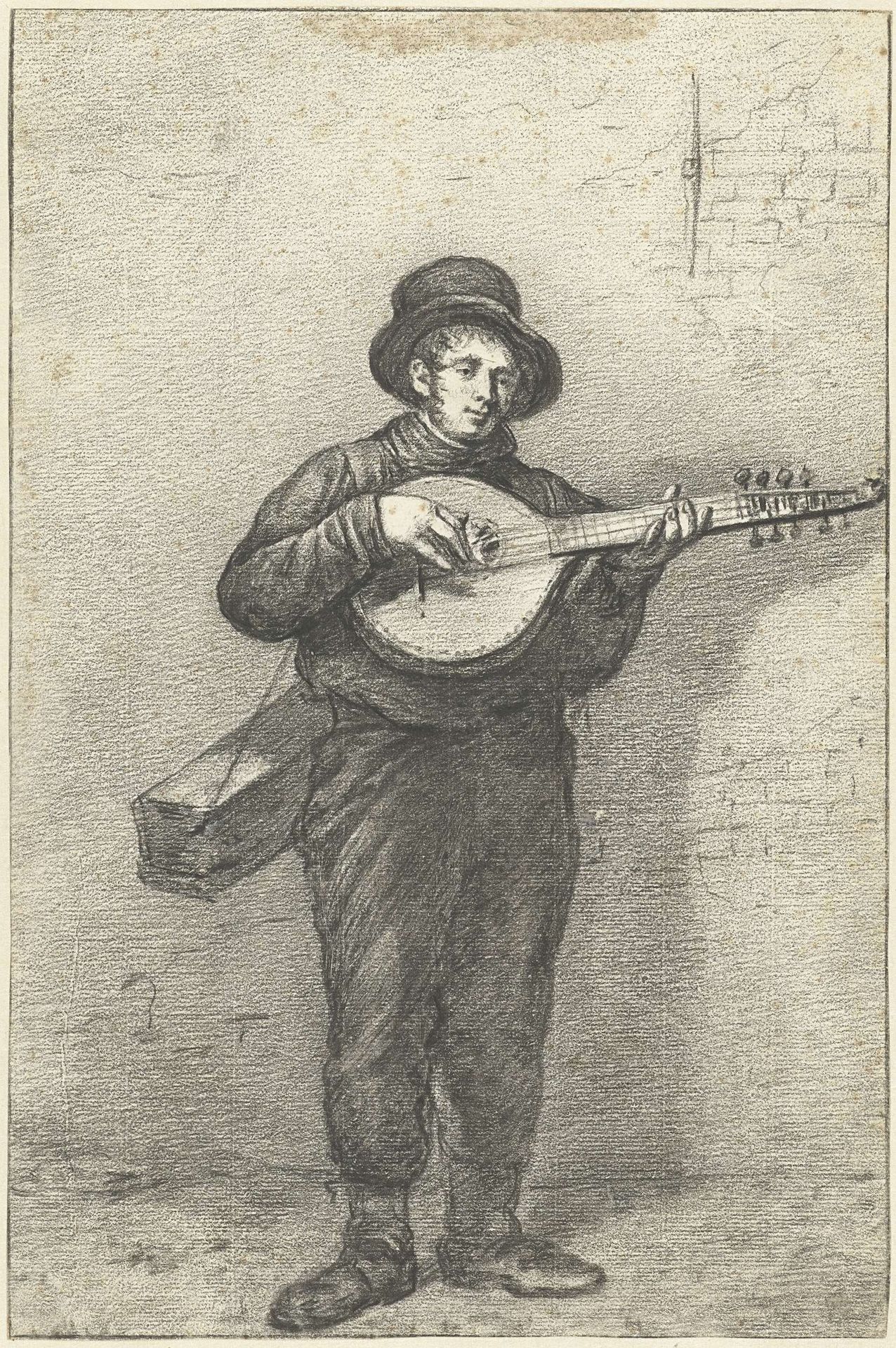
Straatmuzikant

Listen to curator's interpretation
Curatorial notes
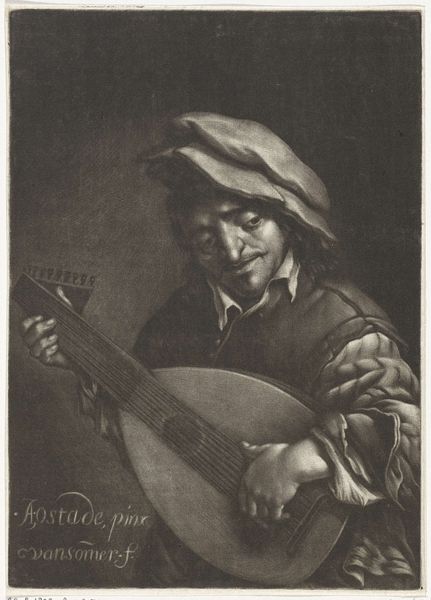
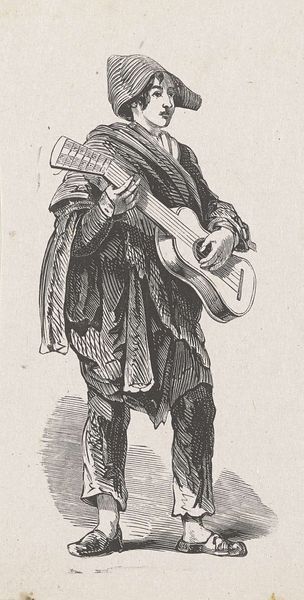
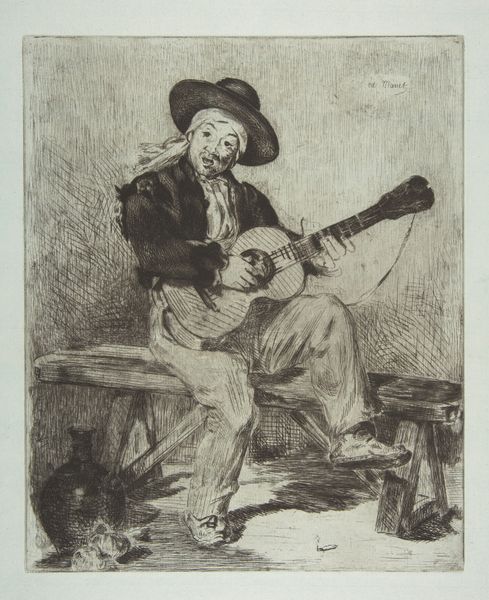
Willem Albertus Haanebrink rendered this drawing, Straatmuzikant, with precision in the late 18th or early 19th century. It depicts a street musician with his lute, evoking the itinerant bards of antiquity. Consider the lute itself; its rounded body echoes forms found in ancient Greek lyres, instruments associated with Apollo, god of music and light. This shape, resonating through time, surfaces again and again, from medieval troubadours to Renaissance court musicians. Notice the musician’s hat, casting a shadow that subtly obscures his face. This partially hidden visage invites projection, allowing viewers to imprint their own emotions onto the figure. This echoes the ancient concept of "ekphrasis," where art prompts a visceral, emotional response. The motif of the musician, wandering and creating beauty, becomes a timeless symbol, resurfacing in various guises across cultures and eras, a poignant reminder of the human spirit's resilience and creative drive.