1835 - 1839
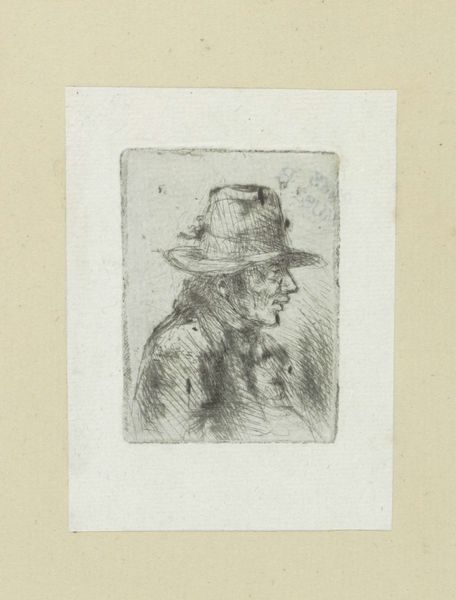
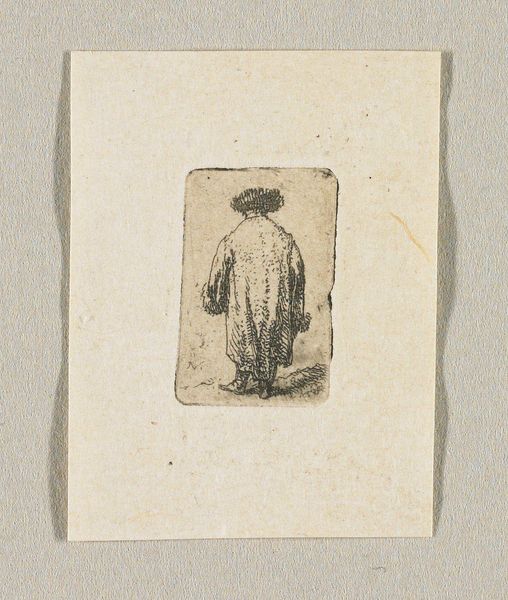
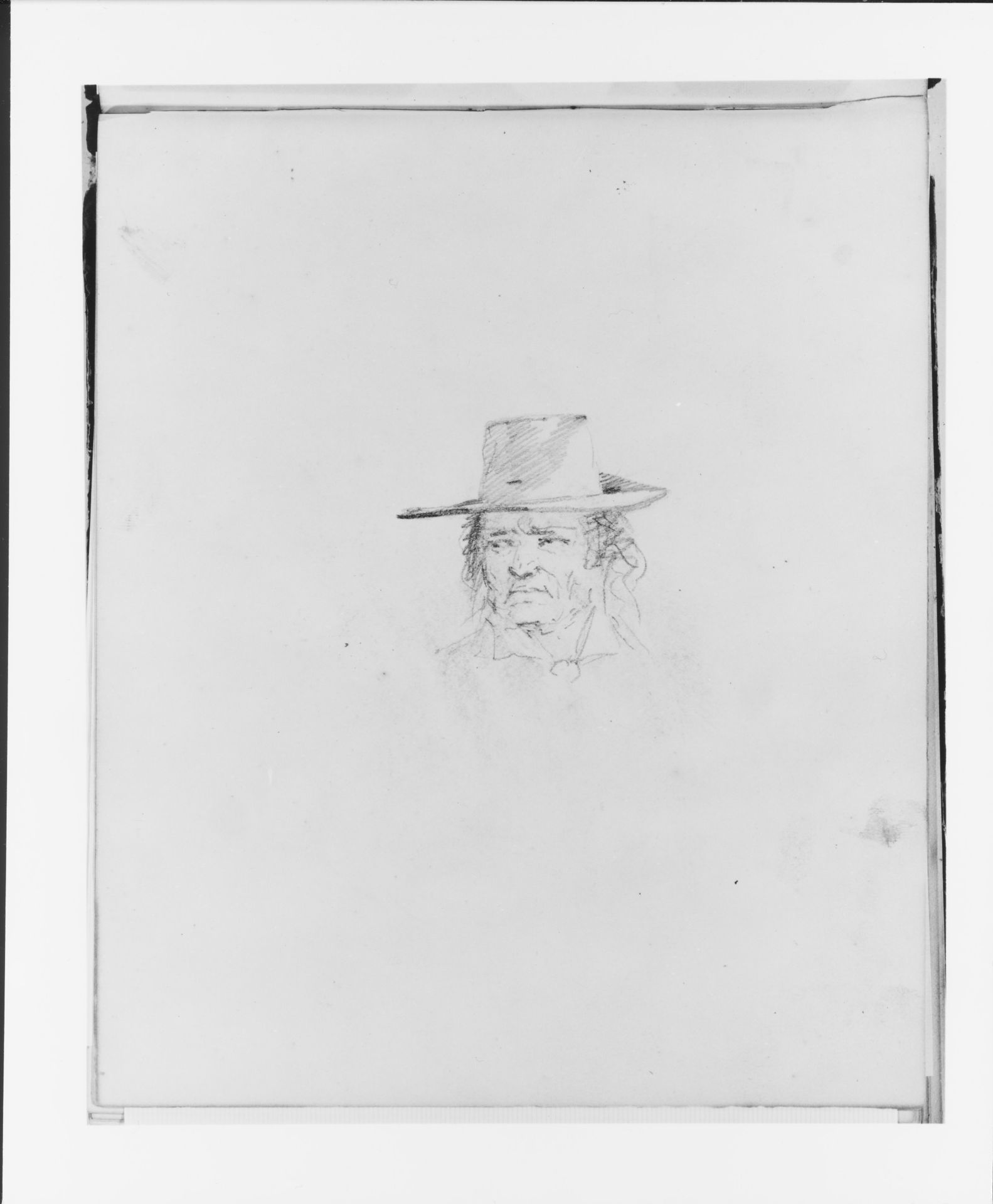
Man Wearing a Hat (from Sketchbook)

Francis William Edmonds
1806 - 1863
The Metropolitan Museum of Art
Metropolitan Museum of Art, New York, NYListen to curator's interpretation
Curatorial notes
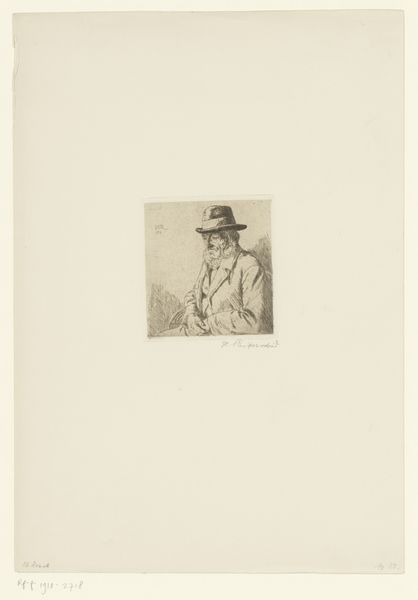
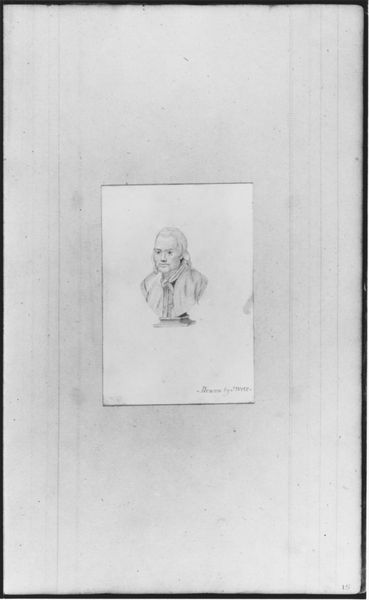
Curator: This small pencil drawing, dating from 1835 to 1839, is entitled "Man Wearing a Hat (from Sketchbook)" by Francis William Edmonds. Editor: My first impression is weariness, or perhaps contemplation. The sketch is light, almost faded, and that emphasizes the subject’s world-worn appearance. Curator: Edmonds was known for his genre scenes depicting everyday American life. What might this drawing, likely a study for a larger work, tell us about Edmonds' relationship to working-class representation? Was this subject simply a visual trope, or did Edmonds see some deeper connection here? Editor: I think we can go further than that. How did the image of a man in a worn hat play within a nascent, rapidly industrializing American society? Perhaps that hat speaks to something class-related; it could stand for those laborers on the fringes who get the dirtiest, toughest, grittiest work. Curator: It’s possible, but how might the drawing’s medium – pencil – itself be a signal? Is it simply economical, the material available to a travelling artist for quick sketches? Or might pencil's subtle tonal range offer a quieter, more intimate engagement with the subject than, say, paint? The Met houses this work, so, how does situating it here change or reinforce our perception of this figure, stripped as he is of any immediately distinguishing context? Editor: You raise interesting points. It makes me think of how art institutions can elevate figures seemingly untouched by glamour, thrusting them into dialogue with social strata previously uninterested in them. Considering how frequently class consciousness gets manipulated, who gets framed—literally and figuratively—inside our gilded institutions feels perpetually up for discussion. Curator: I agree. The sketch may be understated, but it quietly invites consideration about whose stories are deemed worthy of preservation and public view. Editor: And it challenges viewers like ourselves to consider the implications of such framing decisions, past and present.