About this artwork
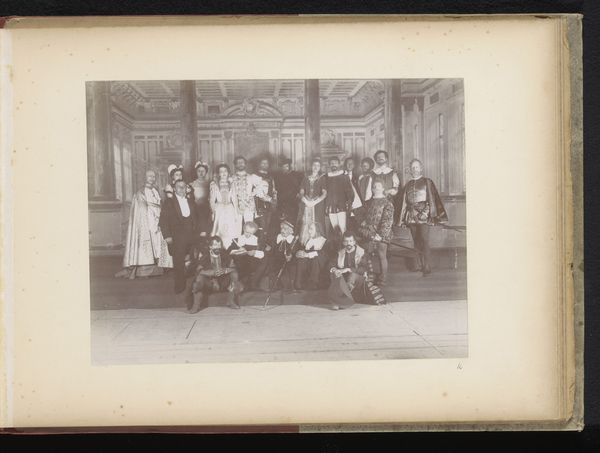
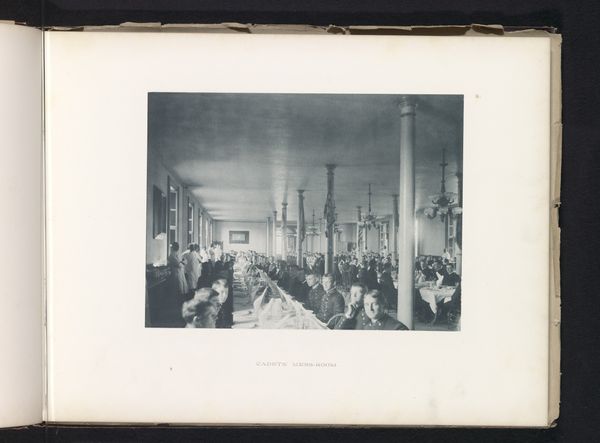
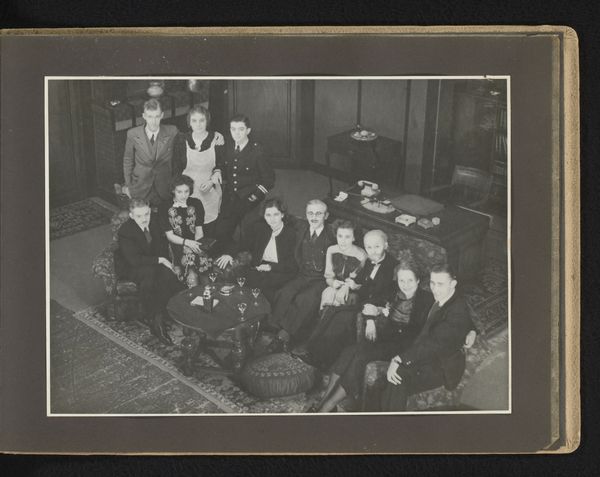
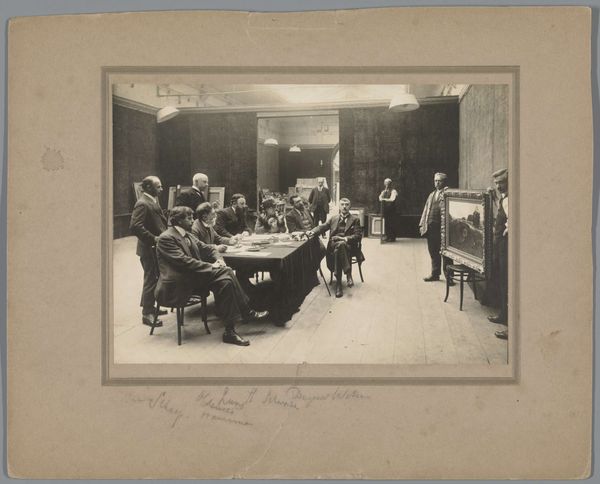
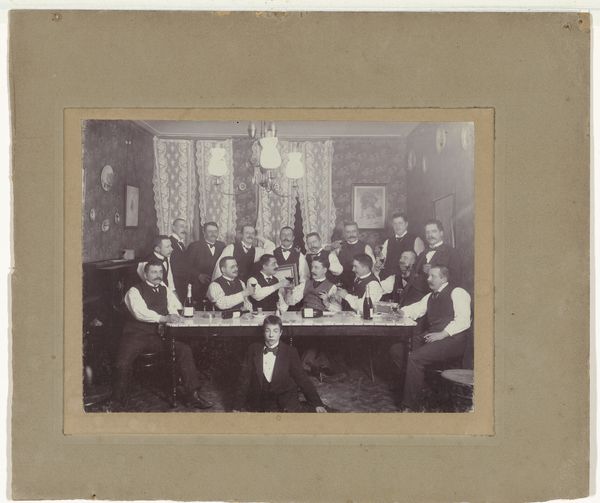
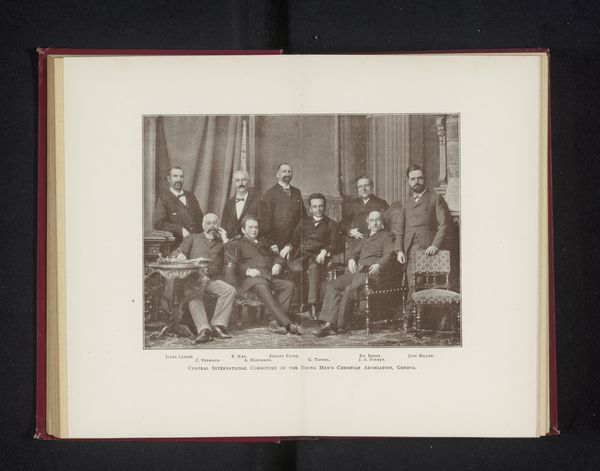
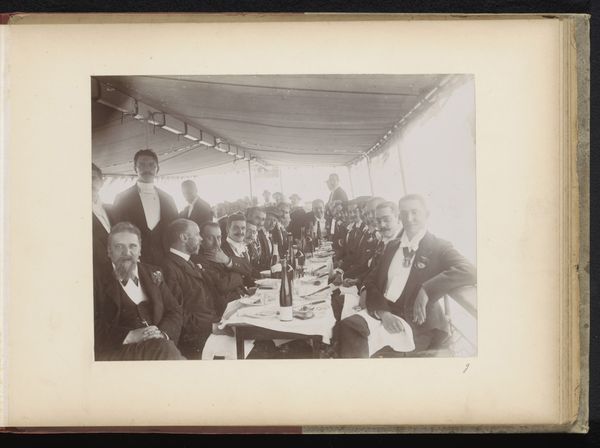
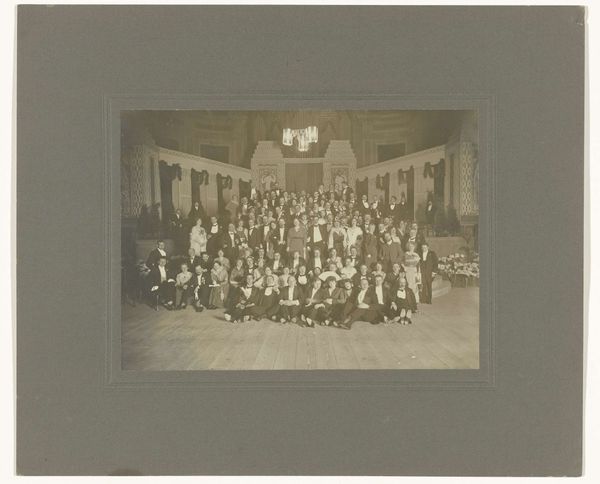
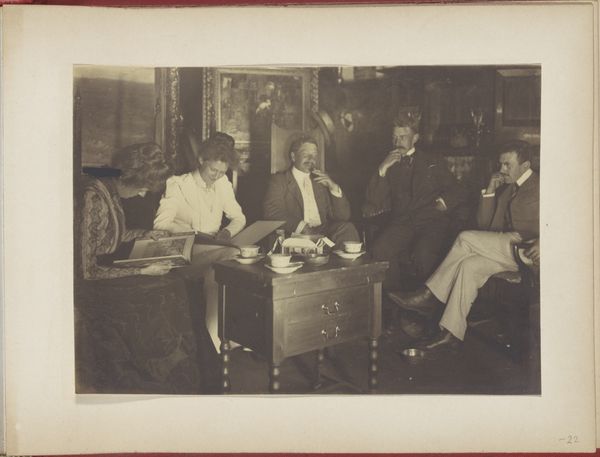
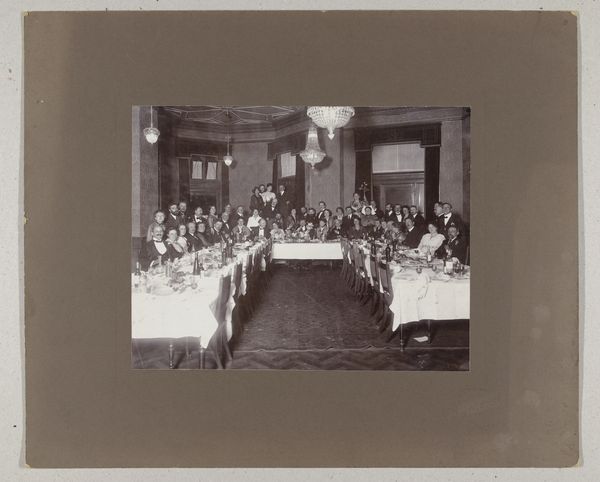
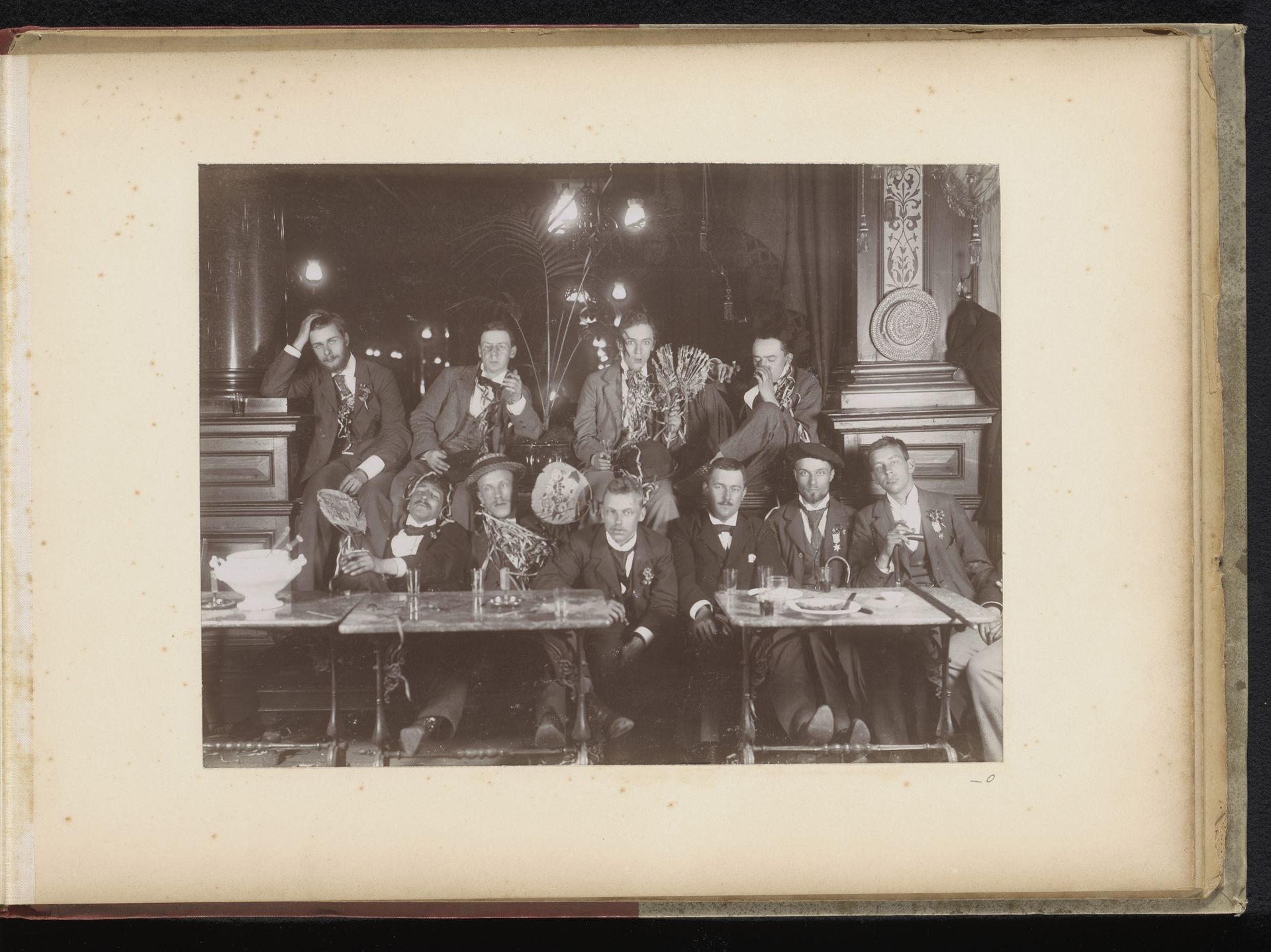
Nicolaas Schuitvlot captured this group portrait of the Amsterdam Student Corps with photography. Notice the medals and the ribbons; these are not mere adornments. Across cultures, the medal has signified honor, valor, and allegiance. From ancient Roman military decorations to the chivalric orders of the medieval knights, bestowing medals has always been a way of cementing social bonds. Here, it signifies a shared identity and loyalty within the student corps. The act of wearing these medals could also be seen as a ritual, a symbolic performance that reinforces communal values and collective memory. Think of Renaissance portraits where nobles wear their orders. The symbolism might differ, but the underlying intent remains the same: to display status, belonging, and shared ideals. These symbols are not static; their meanings are continually reinterpreted and renegotiated. As we engage with this image, we are not merely observing a historical record but participating in the ongoing evolution of cultural memory.
Groepsportret van leden van het Amsterdamsch Studenten Corps
c. 1897

Nicolaas Schuitvlot
1859 - 1947Location
RijksmuseumArtwork details
- Medium
- photography, gelatin-silver-print
- Dimensions
- height 164 mm, width 220 mm
- Location
- Rijksmuseum
- Copyright
- Rijks Museum: Open Domain
Tags
Comments
Share your thoughts
About this artwork
Nicolaas Schuitvlot captured this group portrait of the Amsterdam Student Corps with photography. Notice the medals and the ribbons; these are not mere adornments. Across cultures, the medal has signified honor, valor, and allegiance. From ancient Roman military decorations to the chivalric orders of the medieval knights, bestowing medals has always been a way of cementing social bonds. Here, it signifies a shared identity and loyalty within the student corps. The act of wearing these medals could also be seen as a ritual, a symbolic performance that reinforces communal values and collective memory. Think of Renaissance portraits where nobles wear their orders. The symbolism might differ, but the underlying intent remains the same: to display status, belonging, and shared ideals. These symbols are not static; their meanings are continually reinterpreted and renegotiated. As we engage with this image, we are not merely observing a historical record but participating in the ongoing evolution of cultural memory.
Comments
Share your thoughts