c. 1655 - 1656
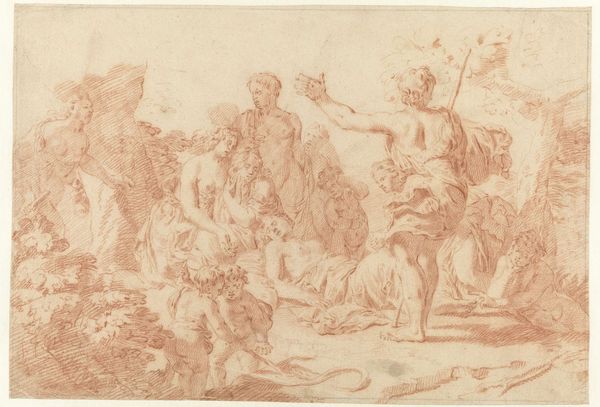
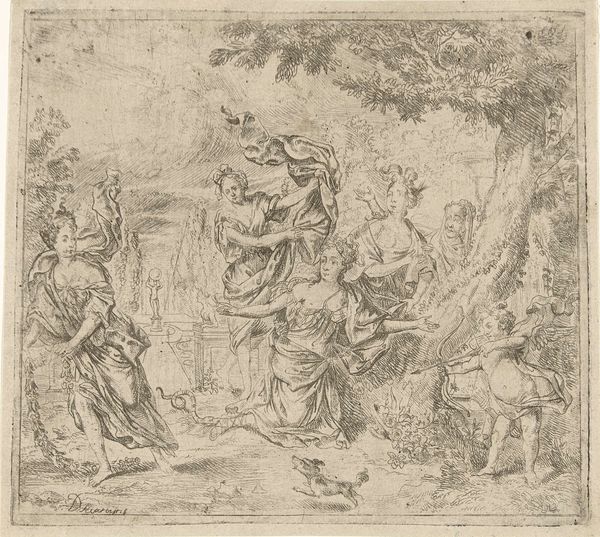
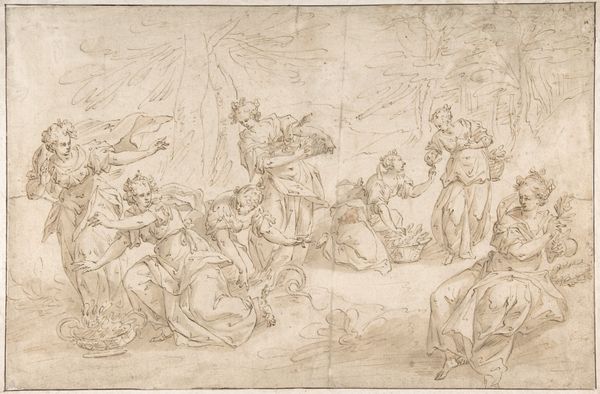
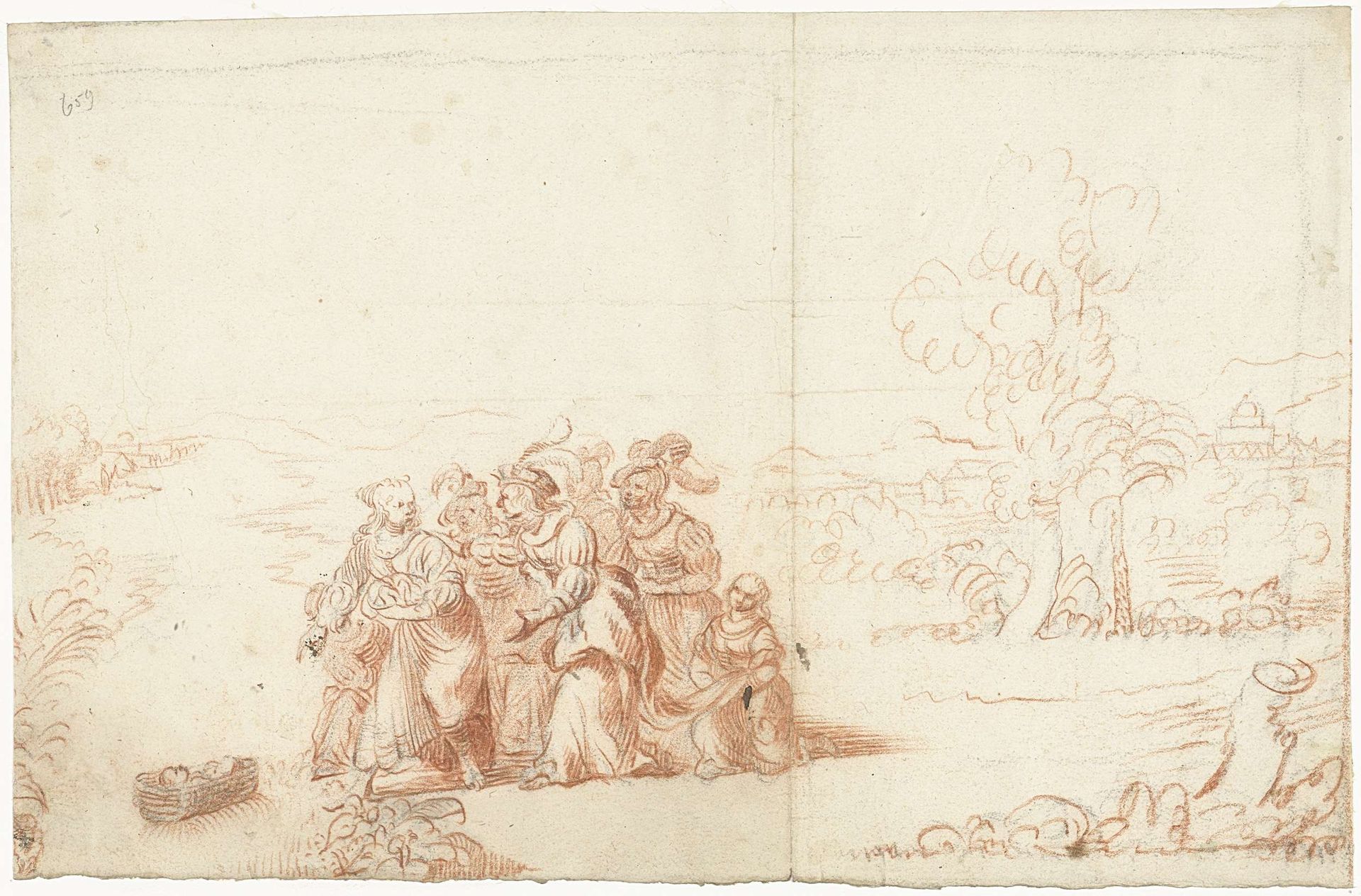
Het vinden van Mozes

Gesina ter Borch
1633 - 1690Location
RijksmuseumListen to curator's interpretation
Curatorial notes
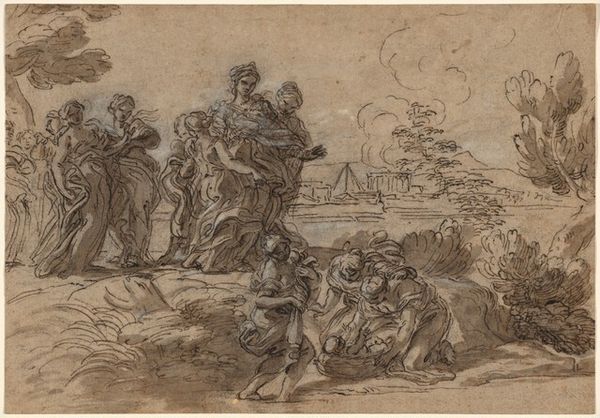
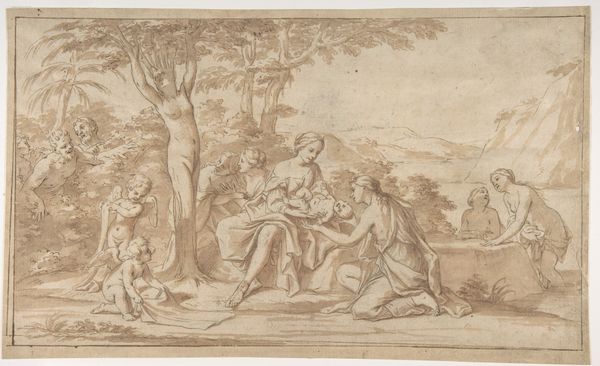
This sanguine drawing by Gesina ter Borch captures the moment when Moses is found in the reeds of the Nile. Here, the basket—a humble vessel—becomes a powerful symbol of salvation and divine intervention. The motif of a child rescued from water resonates across cultures, echoing ancient flood myths. Think of the Mesopotamian Epic of Gilgamesh, where a similar tale of survival foreshadows great destiny. This archetype speaks to our collective unconscious, embodying themes of hope and renewal. The emotional weight carried by these maternal figures, frozen in a moment of discovery, engages our psyche. The rescue of Moses transcends its literal depiction, inviting us to contemplate the cyclical nature of human experience. It shows the survival, adaptation, and continuous reinterpretation of symbolic language across time.