
Curatorial notes
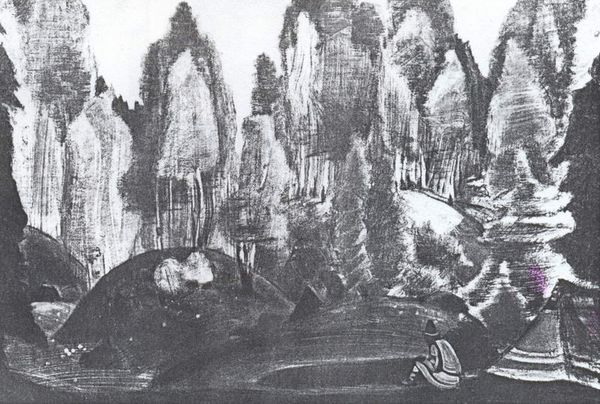
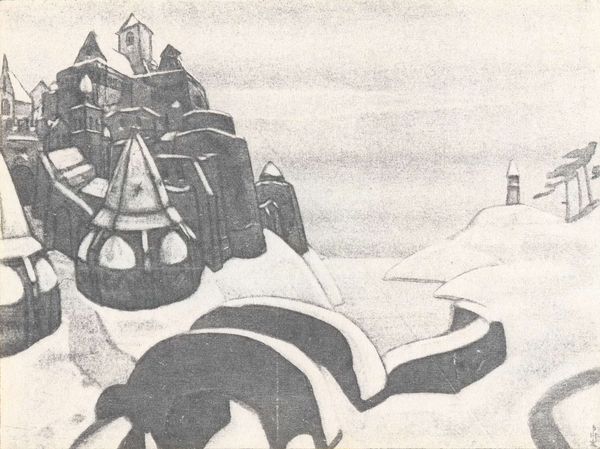
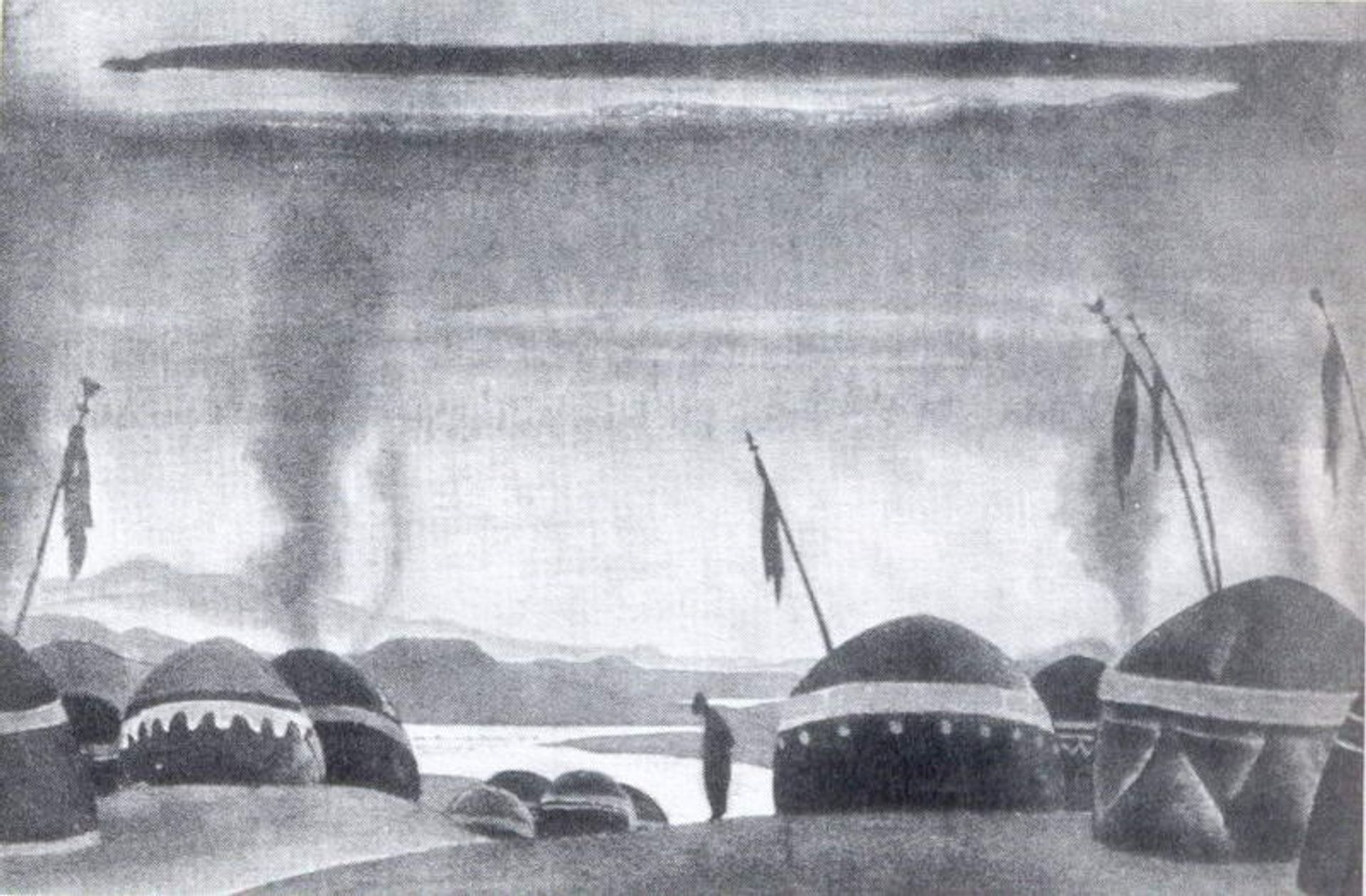
Nicholas Roerich painted this scene of a Polovtsian camp, capturing a moment suspended between movement and stillness. The flags—ancient symbols of identity, purpose, and direction—stand tall atop the yurts, creating vertical lines that draw the eye upward, as if connecting the earthly realm with the heavens. These totems of culture, the flags, are echoed across history, from Roman vexilla to medieval standards. The psychological impact of such symbols is profound, for they rally the subconscious, reminding us of our tribal instincts and the power of unity. Even in the modern era, the raising of a flag can evoke powerful emotions, connecting us to a shared history and destiny. Here, the flags serve as a poignant reminder of the cyclical nature of human experience. The Polovtsians were a nomadic people, their existence woven into the landscape. The flags, then, are not static emblems, but rather fluid symbols, evolving with the times and embodying the ever-changing tapestry of human life.