About this artwork
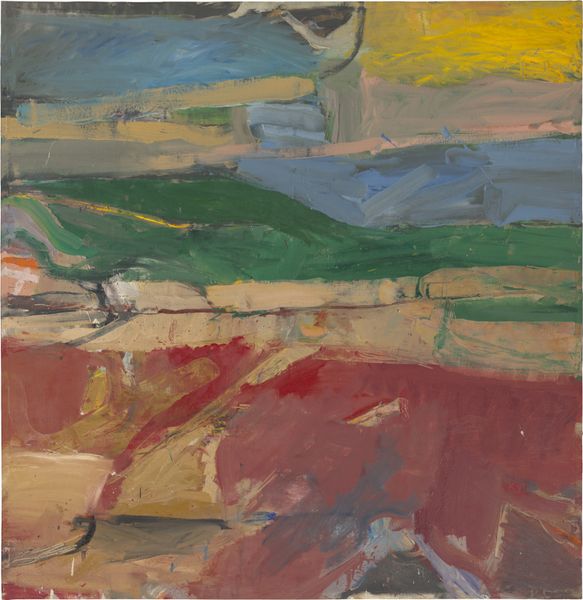
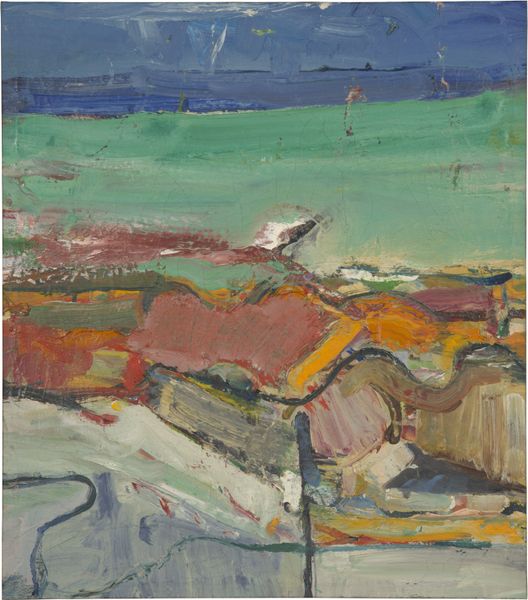
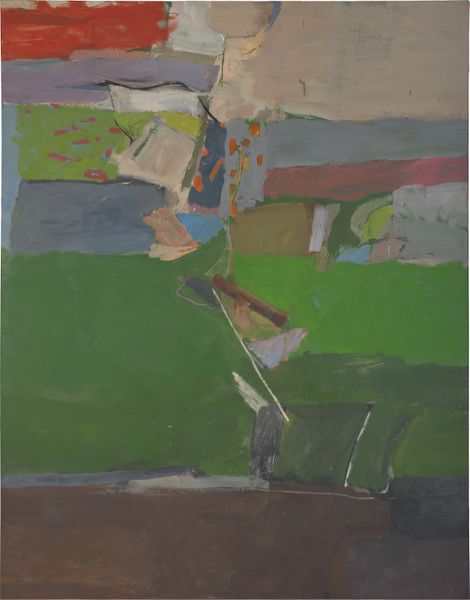
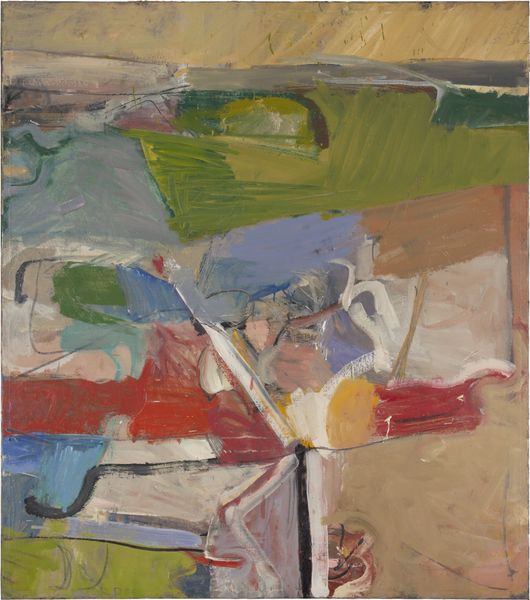
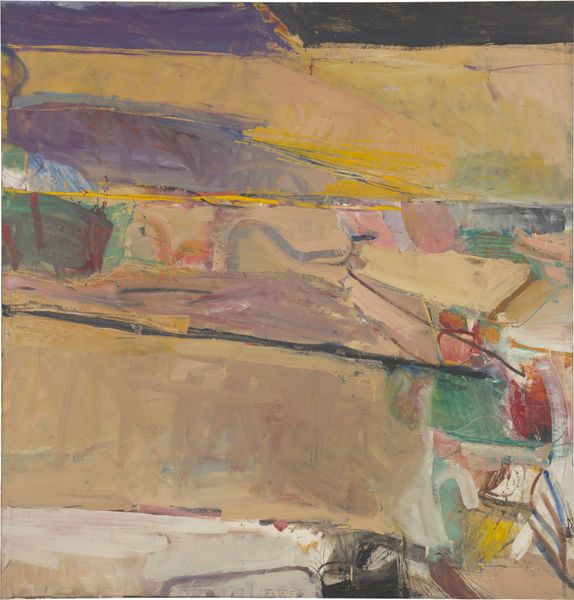
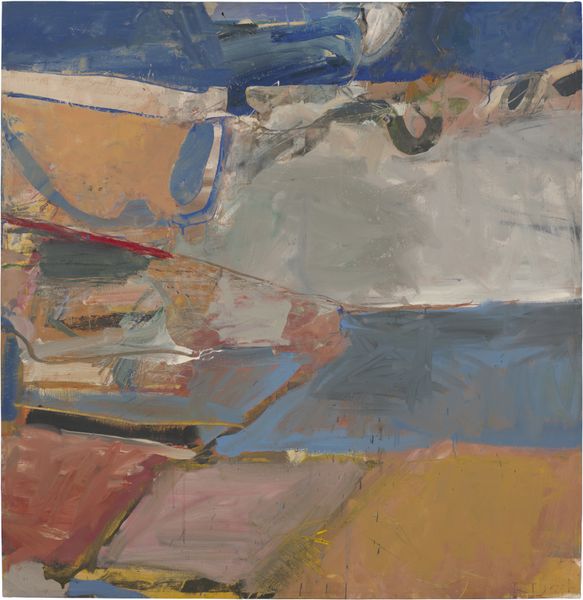
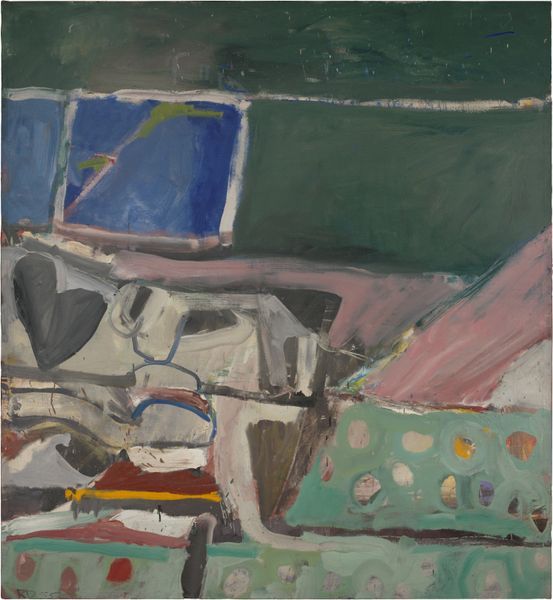
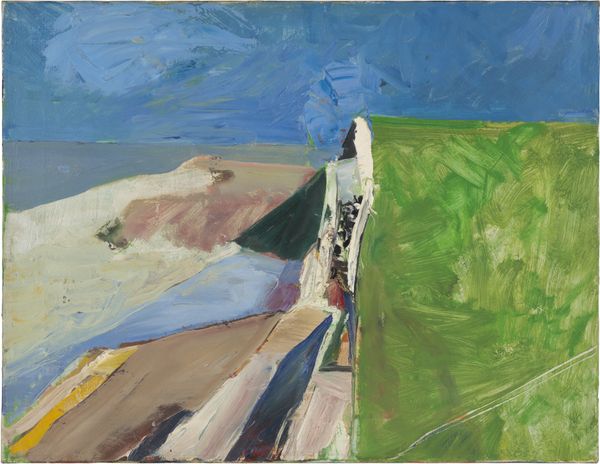
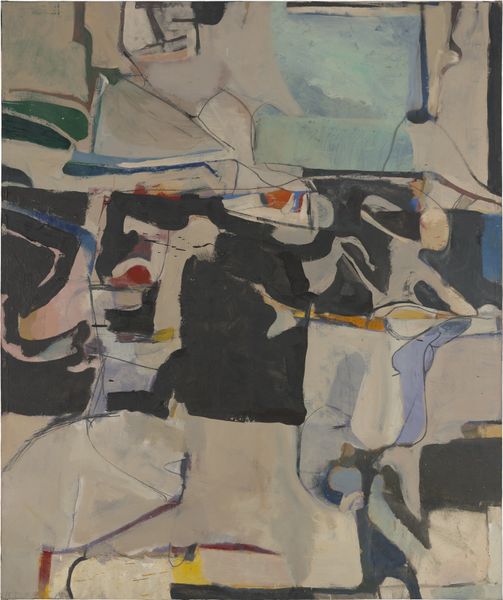
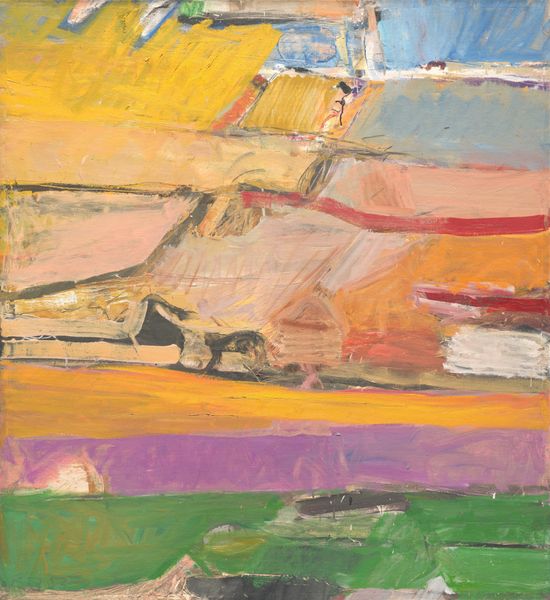
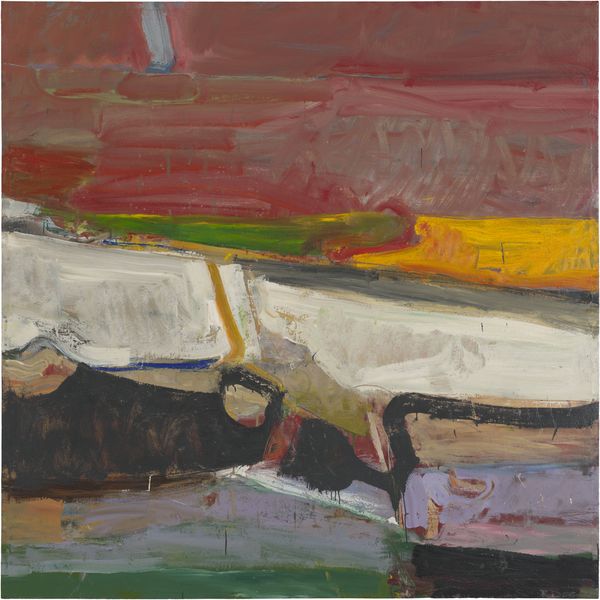
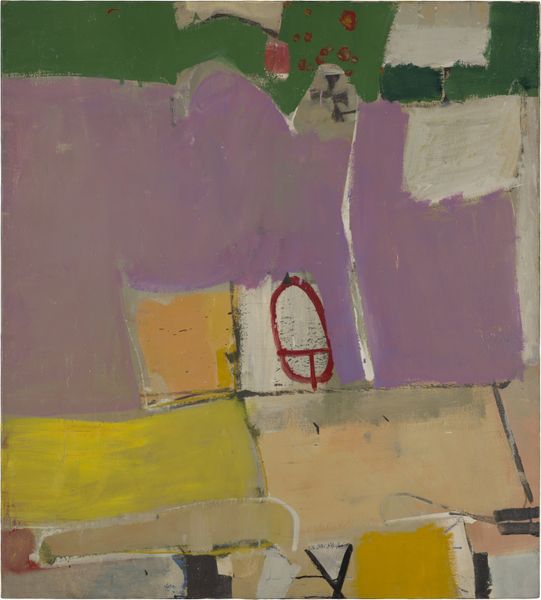
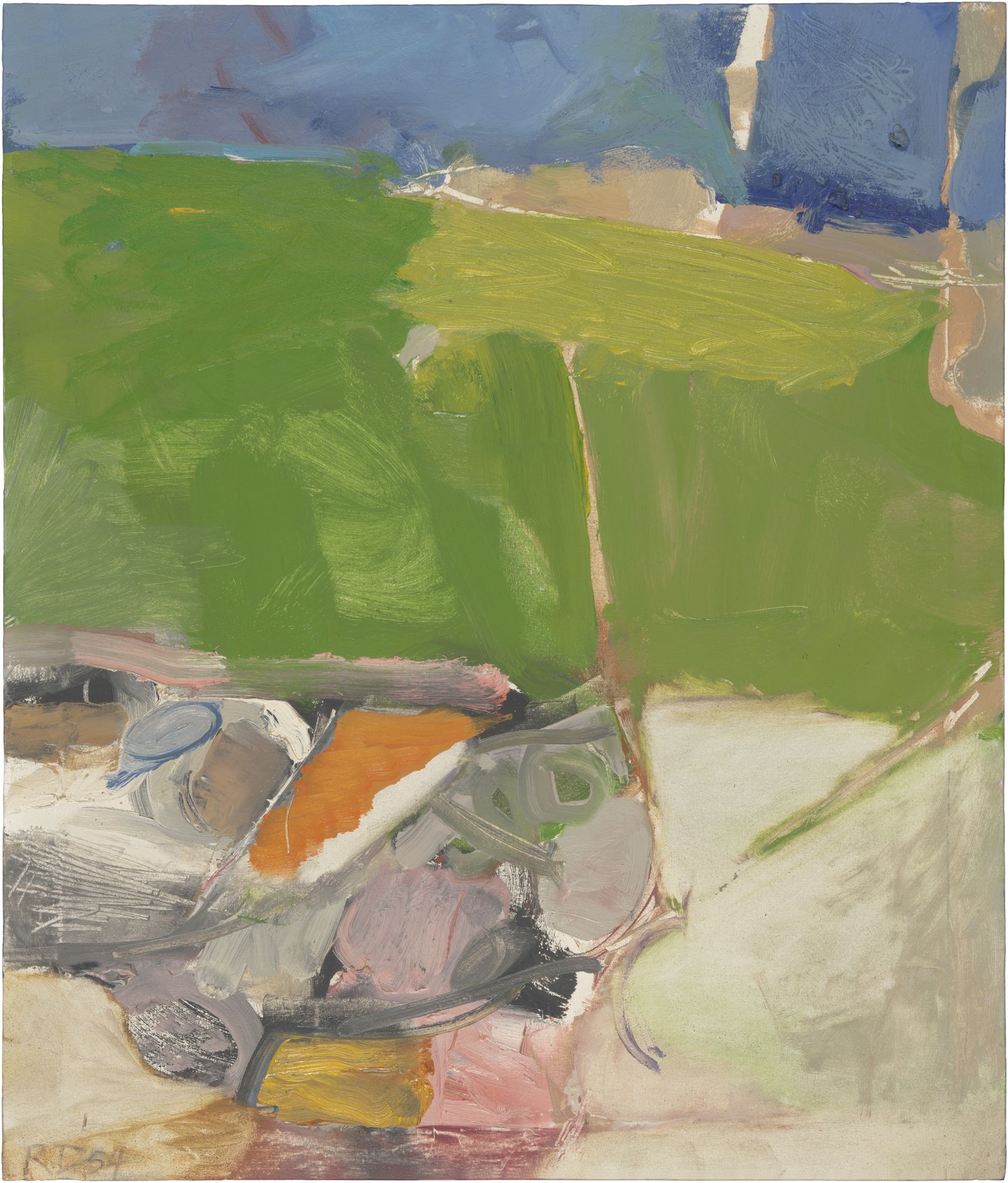
Richard Diebenkorn created "Berkeley #33," an oil on canvas painting that presents an intriguing arrangement of color and form. The canvas is divided into distinct zones, where broad strokes of green and blue evoke a landscape, while the lower portion bursts with a cluster of whites, grays, oranges, and pinks. Diebenkorn masterfully plays with abstraction, pushing the boundaries of representation. The composition feels like a landscape, yet the forms refuse to fully resolve into recognizable objects. This tension between representation and abstraction invites us to consider how we perceive and interpret the world around us. The brushstrokes are visible and raw, underscoring the materiality of paint and reminding us that we are looking at a constructed image rather than a direct transcription of reality. Ultimately, "Berkeley #33" operates as a complex interplay of color, form, and texture, challenging our expectations and inviting us to explore the possibilities of abstract painting. The visual impact invites ongoing interpretation of space, form, and representation.

Artwork details
- Medium
- painting, oil-paint, acrylic-paint
- Dimensions
- 61 x 51.8 cm
- Copyright
- Richard Diebenkorn Foundation
Tags
Comments
Share your thoughts
About this artwork
Richard Diebenkorn created "Berkeley #33," an oil on canvas painting that presents an intriguing arrangement of color and form. The canvas is divided into distinct zones, where broad strokes of green and blue evoke a landscape, while the lower portion bursts with a cluster of whites, grays, oranges, and pinks. Diebenkorn masterfully plays with abstraction, pushing the boundaries of representation. The composition feels like a landscape, yet the forms refuse to fully resolve into recognizable objects. This tension between representation and abstraction invites us to consider how we perceive and interpret the world around us. The brushstrokes are visible and raw, underscoring the materiality of paint and reminding us that we are looking at a constructed image rather than a direct transcription of reality. Ultimately, "Berkeley #33" operates as a complex interplay of color, form, and texture, challenging our expectations and inviting us to explore the possibilities of abstract painting. The visual impact invites ongoing interpretation of space, form, and representation.
Comments
Share your thoughts