About this artwork
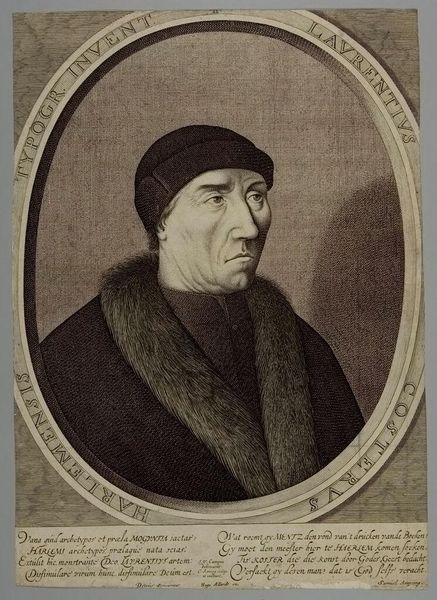
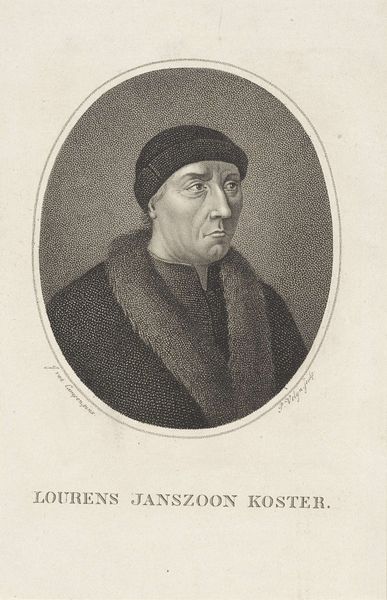
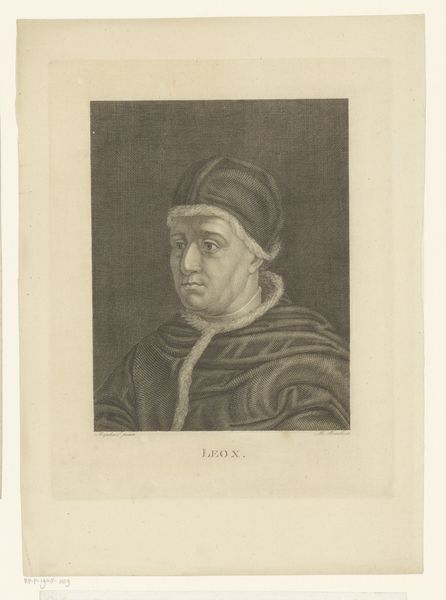
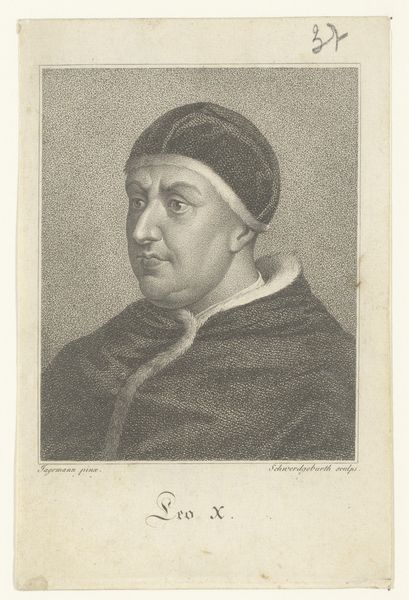
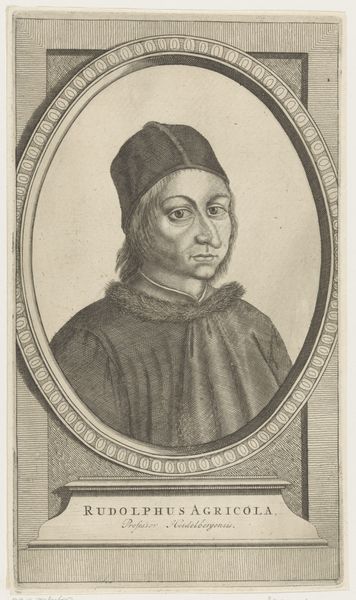
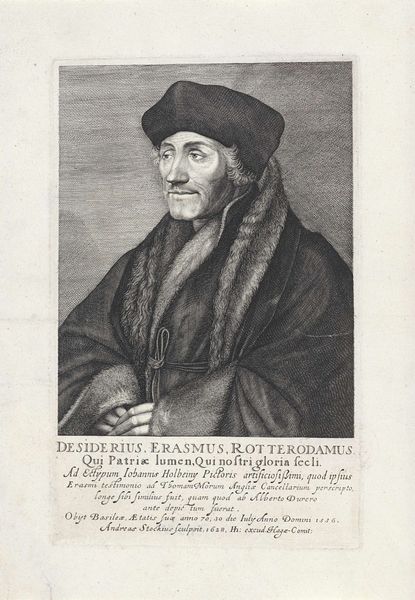
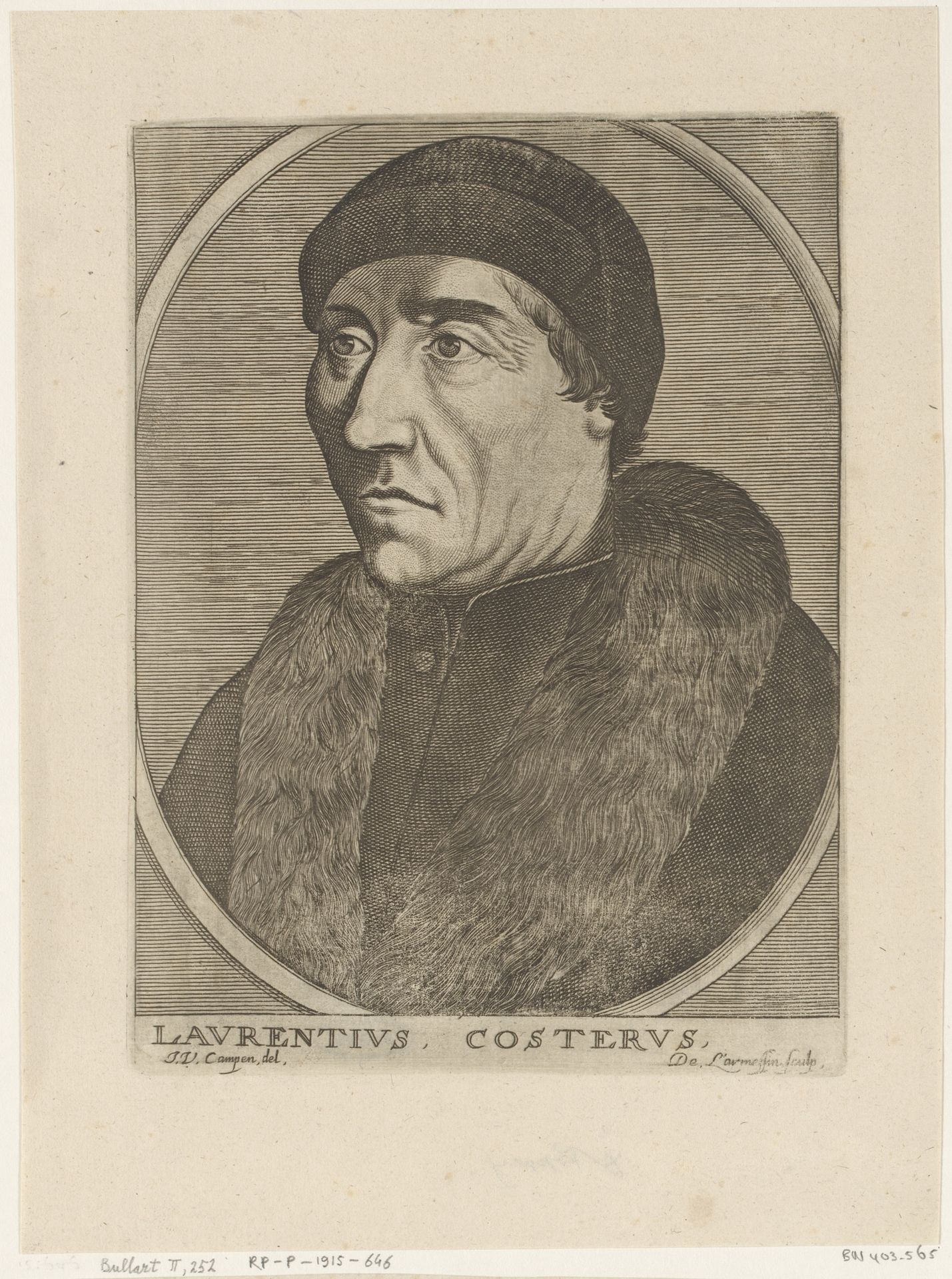
This is Nicolas de Larmessin's portrait of Laurens Janszoon Coster, made with etching and engraving techniques in the 17th century. It's a depiction of a figure who, though not a member of the aristocracy, is still portrayed with the symbols of wealth and status of that era. Coster is wearing a fur-lined coat and a hat, indicating a person of means, and the inscription of his name underneath suggests a certain level of societal importance. The artwork was created in France at a time when the country was solidifying its role as a major cultural and political power in Europe. The patronage system, deeply entrenched within the French court, played a crucial role in shaping artistic production. Artists depended on the favor of wealthy patrons, and their work often reflected the patron's values and interests. To truly understand the nuances of Larmessin's portrait, one must delve into the social and institutional context in which it was made. Scholarly articles, archival documents, and historical studies of the period will offer a deeper understanding of its meaning.
Portret van Laurens Janszoon Coster
1682

Nicolas de (I) Larmessin
1632 - 1694Location
RijksmuseumArtwork details
- Medium
- print, engraving
- Dimensions
- height 185 mm, width 138 mm
- Location
- Rijksmuseum
- Copyright
- Rijks Museum: Open Domain
Tags
Comments
Share your thoughts
About this artwork
This is Nicolas de Larmessin's portrait of Laurens Janszoon Coster, made with etching and engraving techniques in the 17th century. It's a depiction of a figure who, though not a member of the aristocracy, is still portrayed with the symbols of wealth and status of that era. Coster is wearing a fur-lined coat and a hat, indicating a person of means, and the inscription of his name underneath suggests a certain level of societal importance. The artwork was created in France at a time when the country was solidifying its role as a major cultural and political power in Europe. The patronage system, deeply entrenched within the French court, played a crucial role in shaping artistic production. Artists depended on the favor of wealthy patrons, and their work often reflected the patron's values and interests. To truly understand the nuances of Larmessin's portrait, one must delve into the social and institutional context in which it was made. Scholarly articles, archival documents, and historical studies of the period will offer a deeper understanding of its meaning.
Comments
Share your thoughts