About this artwork
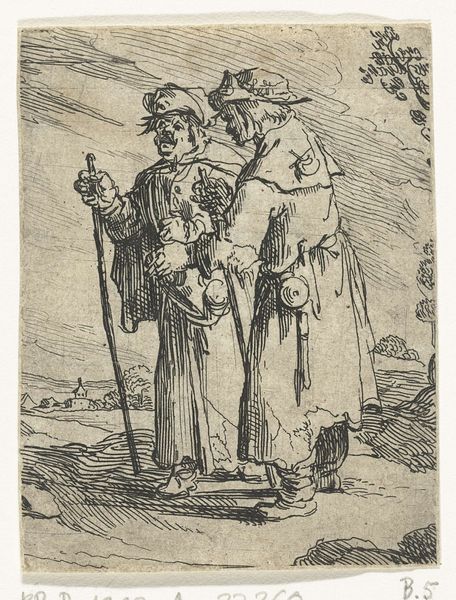
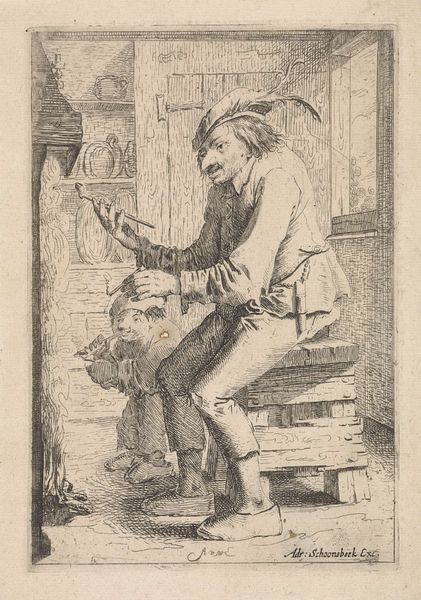
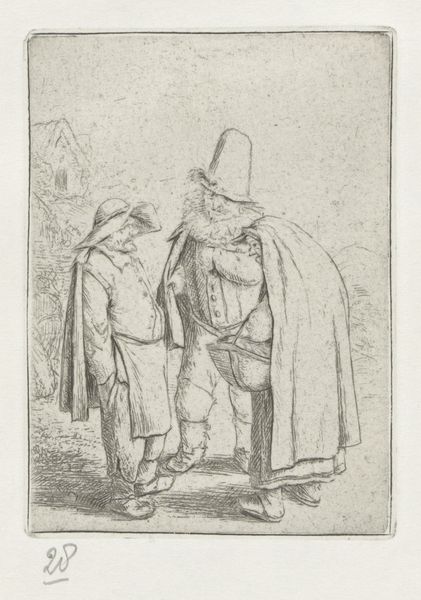
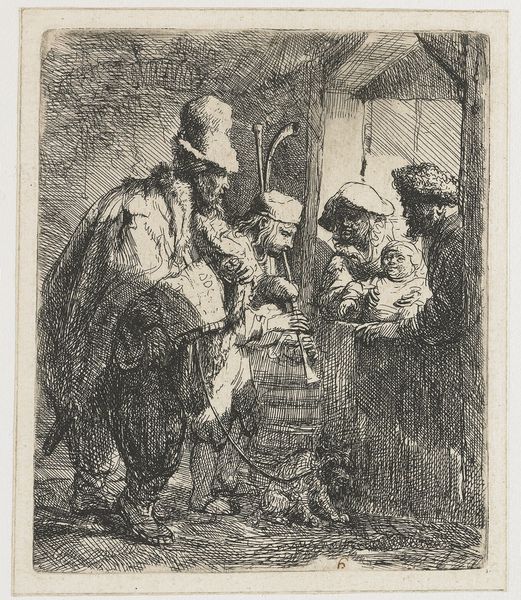
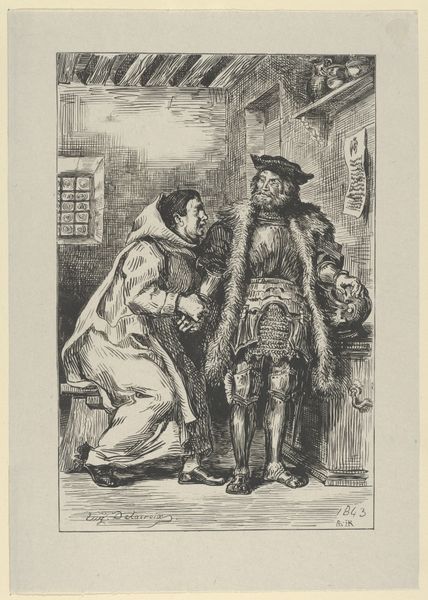
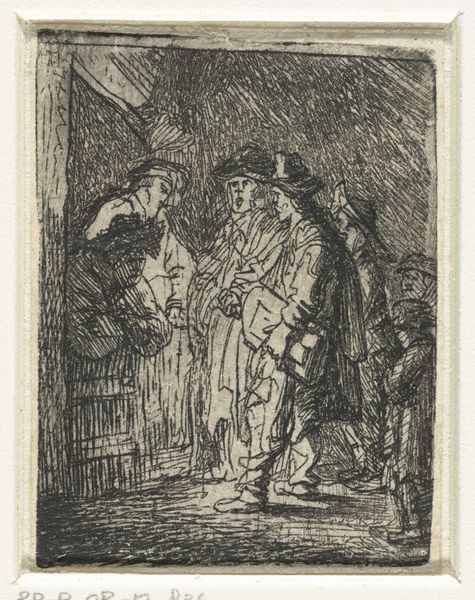
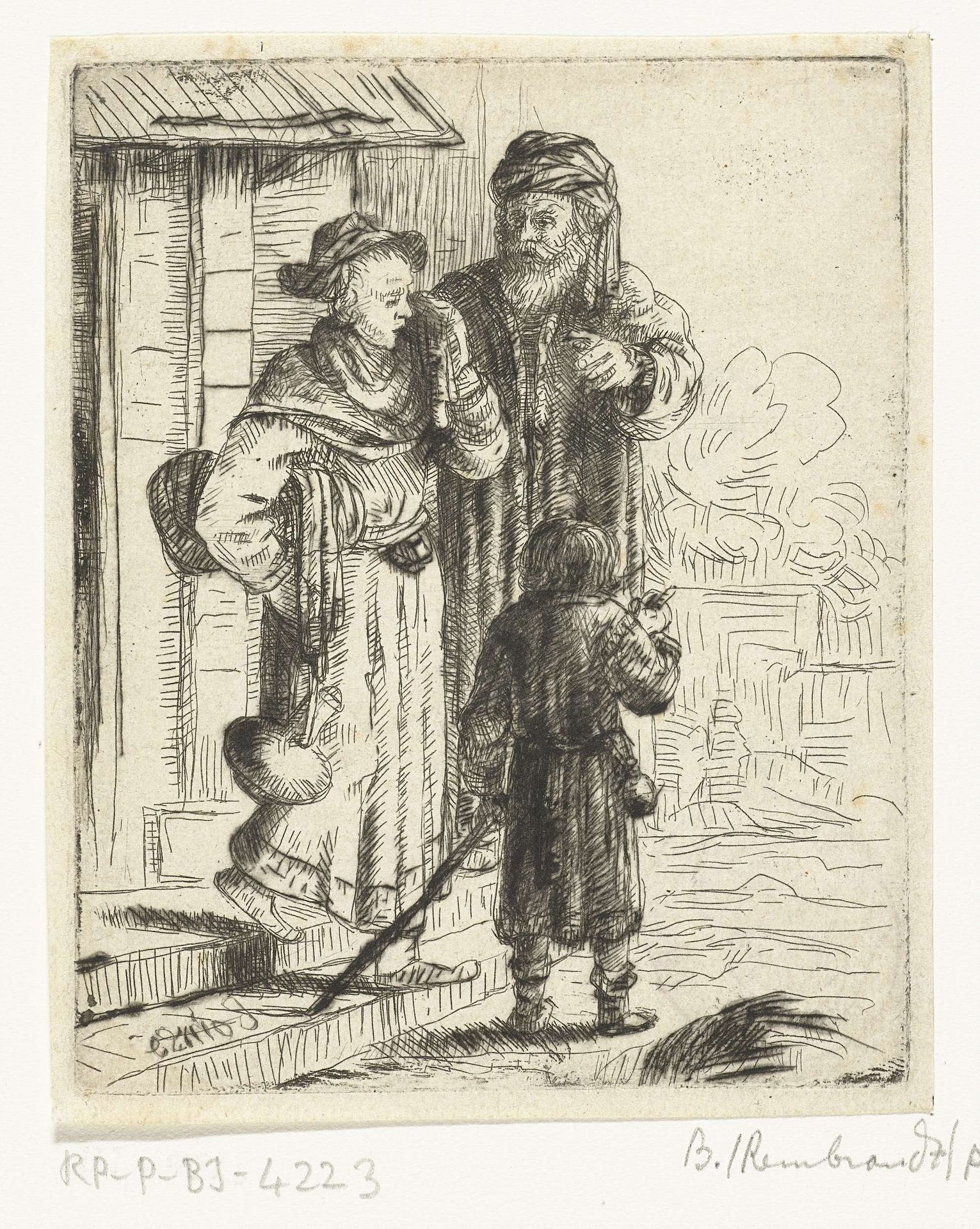
This etching by Esaias Boursse depicts the biblical scene of Hagar and Ishmael's expulsion. Note the sorrowful gesture of Abraham as he turns away Hagar and his son. The motif of expulsion carries potent emotional and historical weight. Consider Masaccio’s "Expulsion from Paradise" where the figures of Adam and Eve share a similar posture of grief and desperation. This gesture echoes through centuries, reappearing in various forms, signifying loss, shame, and the severance of sacred bonds. This theme taps into our collective memory, stirring deep-seated anxieties about abandonment and displacement. The image becomes a vessel for expressing humanity's shared experiences of suffering. The scene's visual elements create a powerful, subconscious connection with the viewer, engaging us on a profound emotional level. Indeed, the motif of expulsion is not linear but cyclical, resurfacing in different historical contexts, evolving, and taking on new meanings.

Artwork details
- Medium
- print, etching
- Dimensions
- height 103 mm, width 84 mm
- Copyright
- Rijks Museum: Open Domain
Tags
narrative-art
baroque
etching
figuration
Comments
No comments
About this artwork
This etching by Esaias Boursse depicts the biblical scene of Hagar and Ishmael's expulsion. Note the sorrowful gesture of Abraham as he turns away Hagar and his son. The motif of expulsion carries potent emotional and historical weight. Consider Masaccio’s "Expulsion from Paradise" where the figures of Adam and Eve share a similar posture of grief and desperation. This gesture echoes through centuries, reappearing in various forms, signifying loss, shame, and the severance of sacred bonds. This theme taps into our collective memory, stirring deep-seated anxieties about abandonment and displacement. The image becomes a vessel for expressing humanity's shared experiences of suffering. The scene's visual elements create a powerful, subconscious connection with the viewer, engaging us on a profound emotional level. Indeed, the motif of expulsion is not linear but cyclical, resurfacing in different historical contexts, evolving, and taking on new meanings.
Comments
No comments