About this artwork
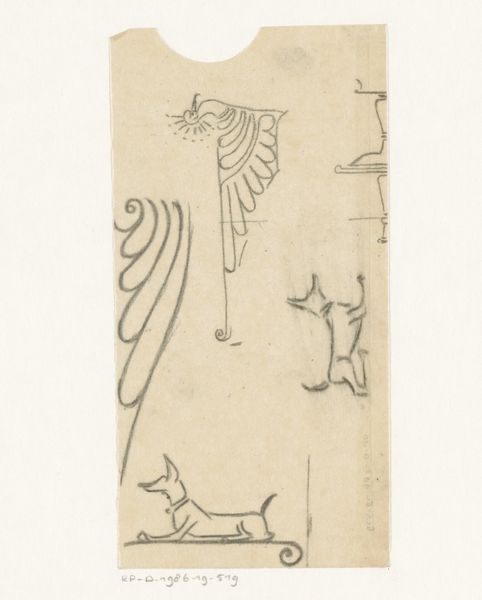
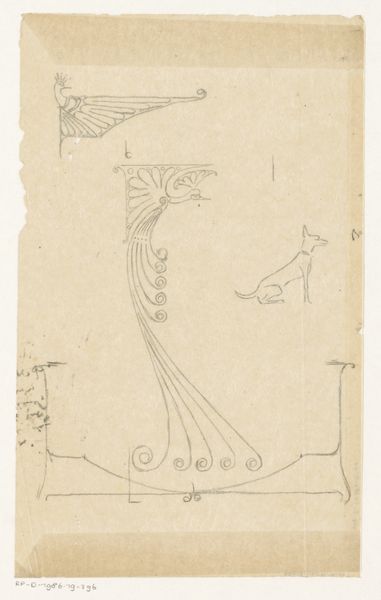
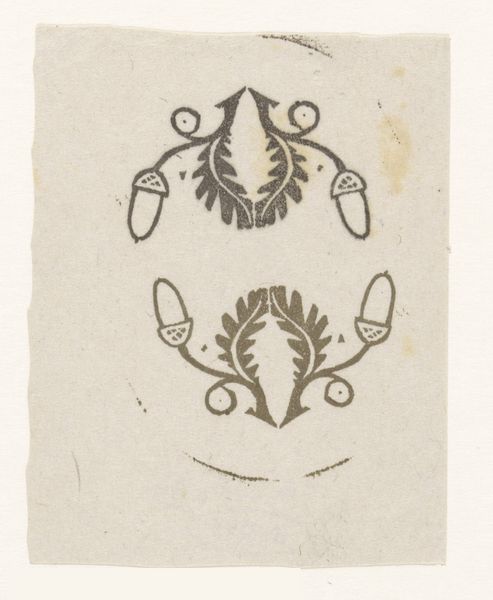
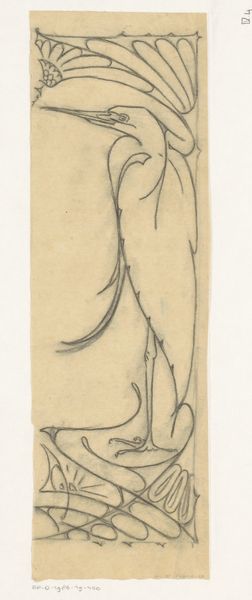
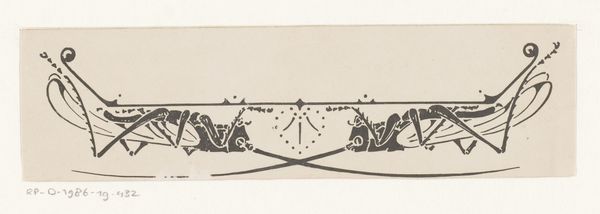
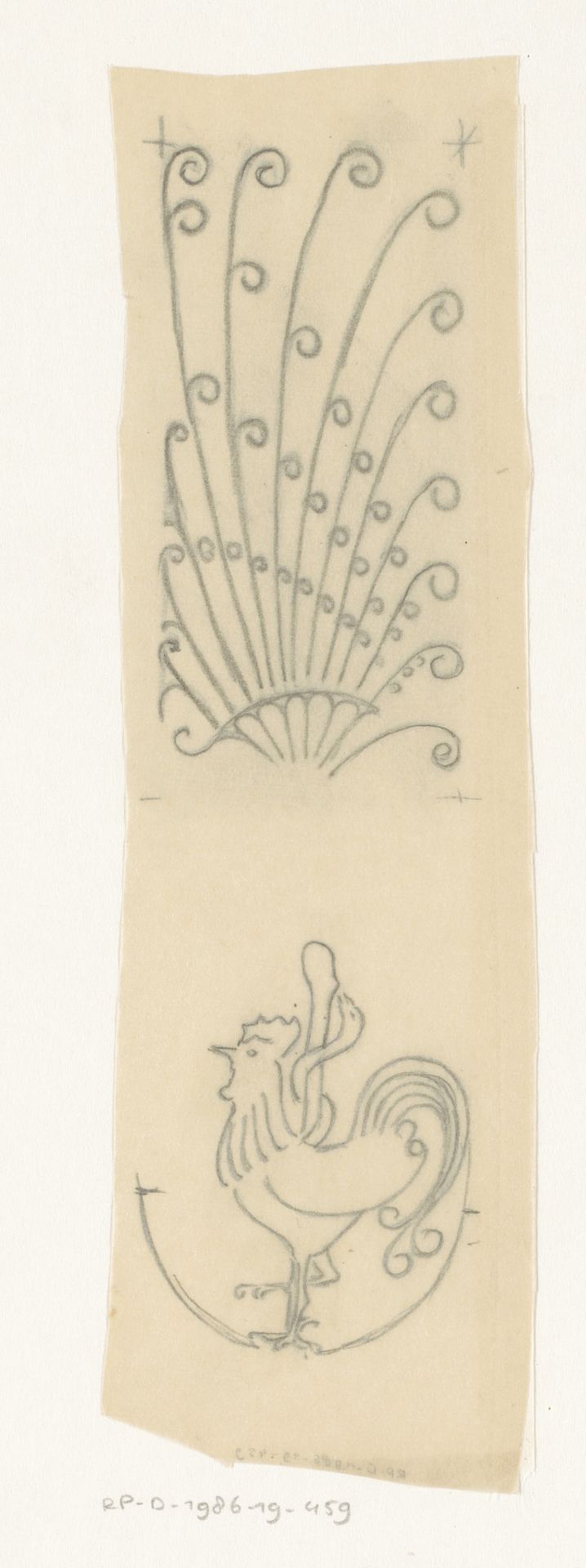
This is Reinier Willem Petrus de Vries' design for a title heading of Arcadia, a literary monthly magazine for ladies. It's a drawing rendered in pencil on paper. The sketch shows a peacock plumage with an ornate rooster underneath, the lines are delicate yet decisive. Pencil is a humble material, but the artist's control suggests mastery. The sketch is probably a quick rendering that captures the essence of his design, rather than a finished product. Consider what this drawing represents. Magazines like Arcadia were a product of the late 19th and early 20th centuries. They represent a shift in consumer culture. This work of art, while 'minor', points to a world of cultural production and aspiration. It encapsulates the labor of writers, editors, and printers, and the aspirations of its readers. It is an intimate look into the aesthetics of consumer culture.
Ontwerp voor een titelhoofd van: Arcadia, letterkundig maandblad voor dames
1900

Artwork details
- Medium
- drawing, paper, ink, pen
- Dimensions
- height 119 mm, width 196 mm
- Copyright
- Rijks Museum: Open Domain
Tags
drawing
art-nouveau
blue ink drawing
shading to add clarity
pen sketch
old engraving style
hand drawn type
figuration
paper
personal sketchbook
ink
ink drawing experimentation
pen-ink sketch
pen work
symbolism
sketchbook drawing
pen
Comments
Be the first to share your thoughts about this work.
About this artwork
This is Reinier Willem Petrus de Vries' design for a title heading of Arcadia, a literary monthly magazine for ladies. It's a drawing rendered in pencil on paper. The sketch shows a peacock plumage with an ornate rooster underneath, the lines are delicate yet decisive. Pencil is a humble material, but the artist's control suggests mastery. The sketch is probably a quick rendering that captures the essence of his design, rather than a finished product. Consider what this drawing represents. Magazines like Arcadia were a product of the late 19th and early 20th centuries. They represent a shift in consumer culture. This work of art, while 'minor', points to a world of cultural production and aspiration. It encapsulates the labor of writers, editors, and printers, and the aspirations of its readers. It is an intimate look into the aesthetics of consumer culture.
Comments
Be the first to share your thoughts about this work.