1879 - 1913
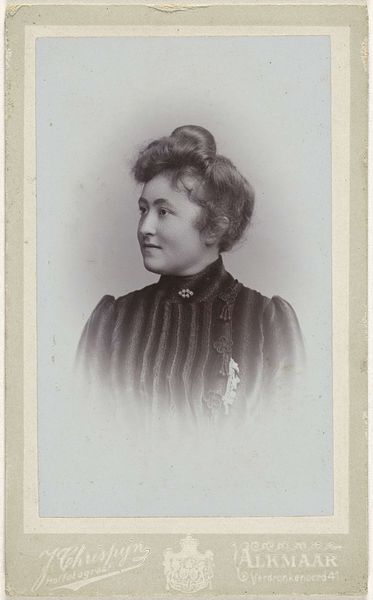
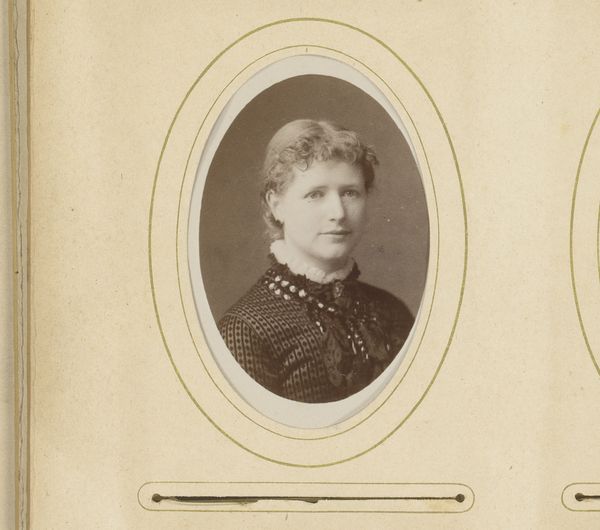
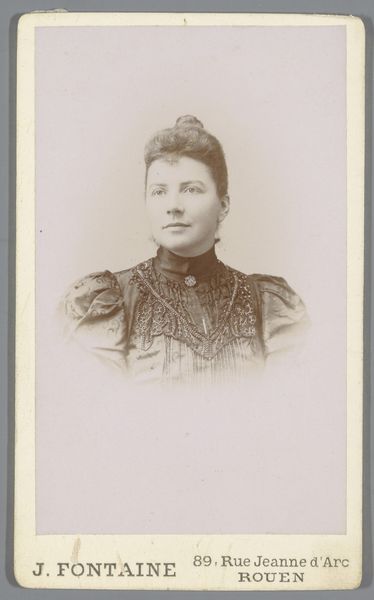
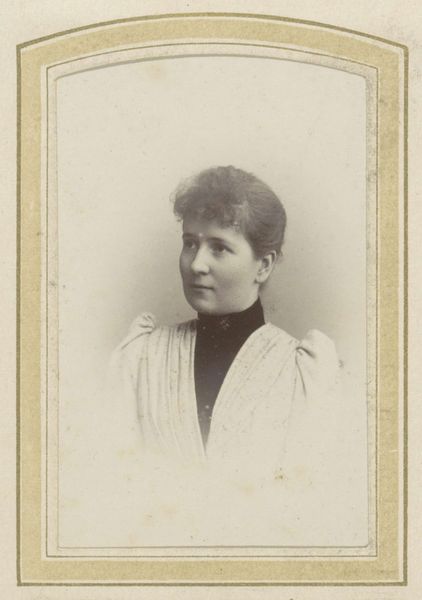
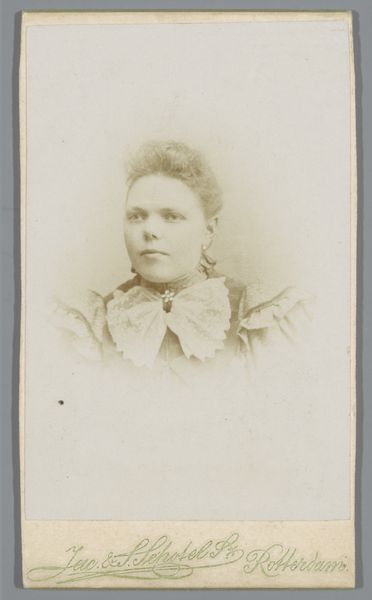
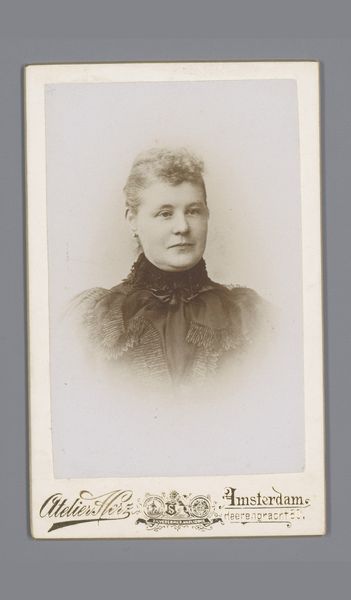
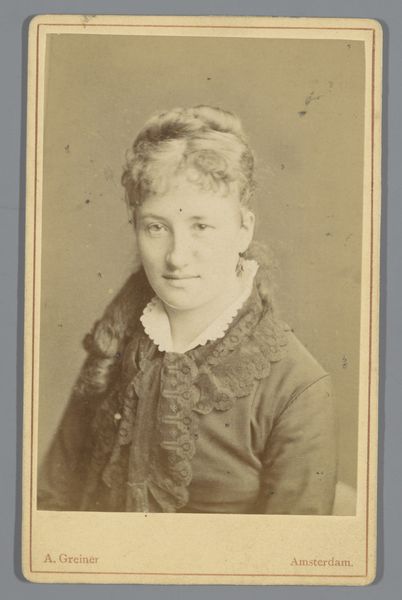
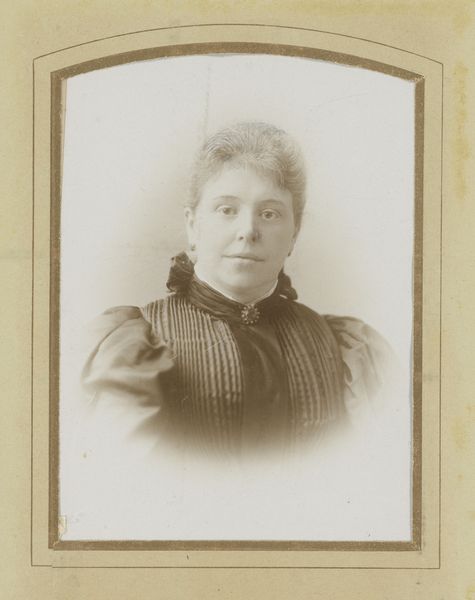
Portret van een vrouw

Adolphe Zimmermans
1858 - 1922Location
RijksmuseumListen to curator's interpretation
Curatorial notes
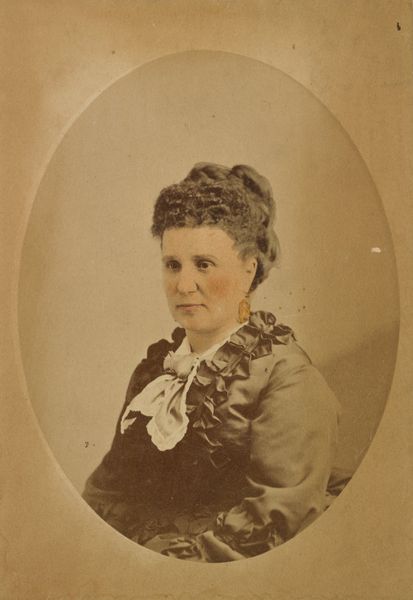
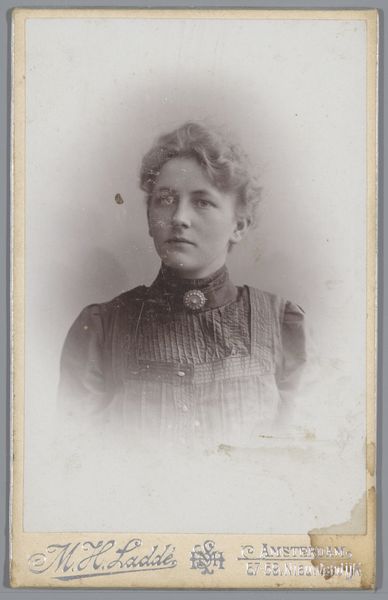
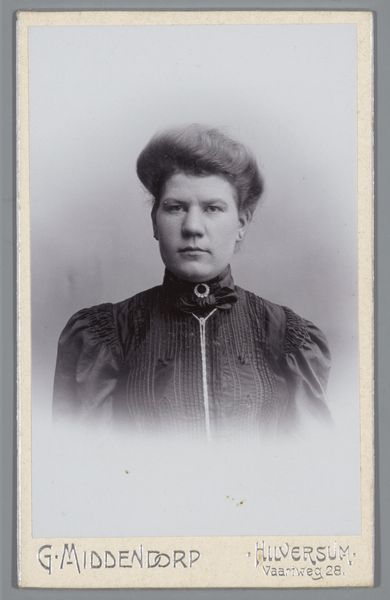
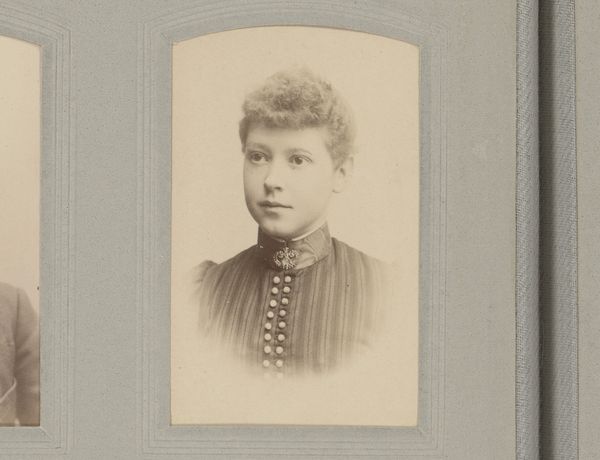
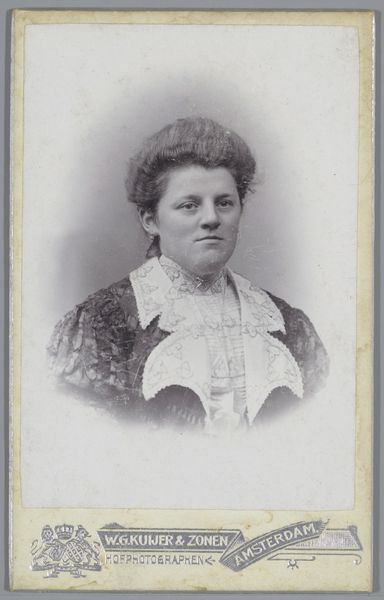
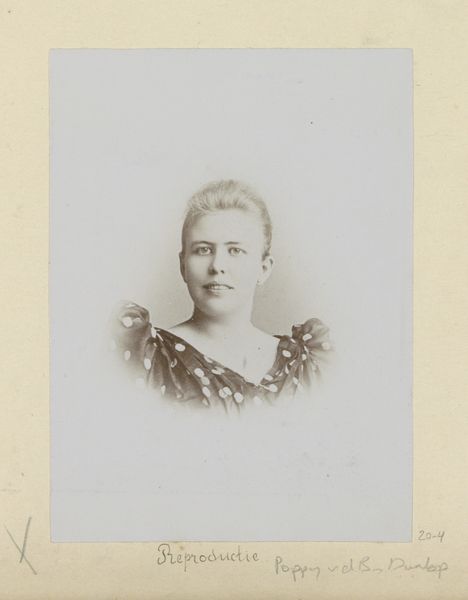
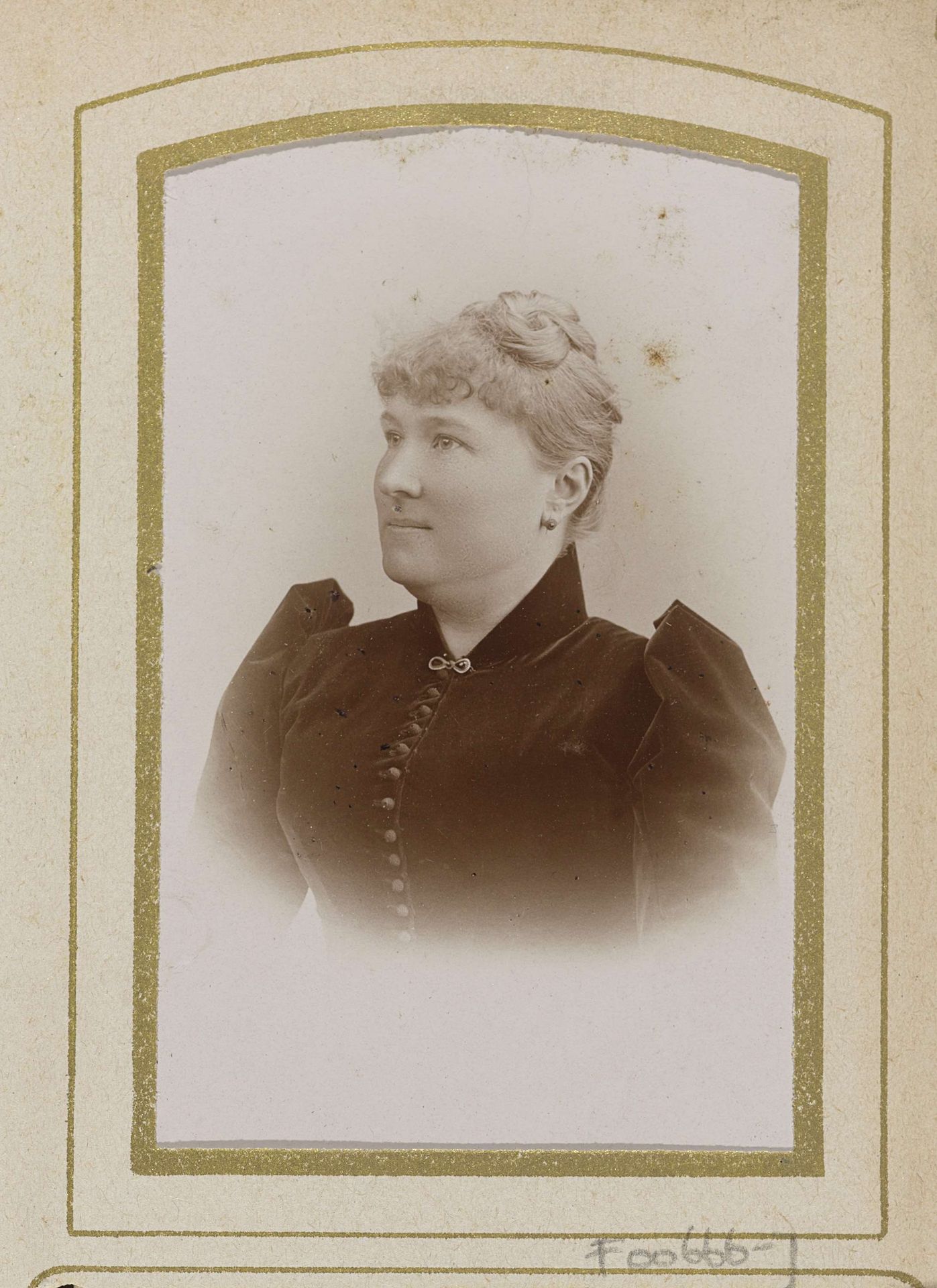
Adolphe Zimmermans made this portrait of a woman using photography, a relatively new medium in the late 19th century. The sepia tone, a chemical process, gives the photograph its distinctive warm brown hue, and also speaks to the labor involved. Each print was carefully produced, moving photography away from being a purely mechanical process. This image's small size also suggests its purpose: not as a high art object, but as a personal memento, perhaps kept in a wallet or locket. The photograph's value lies not just in its aesthetic qualities, but also in its social context, the growing middle class who sought to capture their likenesses, thus democratizing art and visual representation. It offered an accessible way to participate in the broader culture of portraiture, and mass production. The use of photographic technology underscores the intersection of art, industry, and social change in the modern era, and highlights the importance of considering these images as documents of both personal and broader cultural histories.