About this artwork
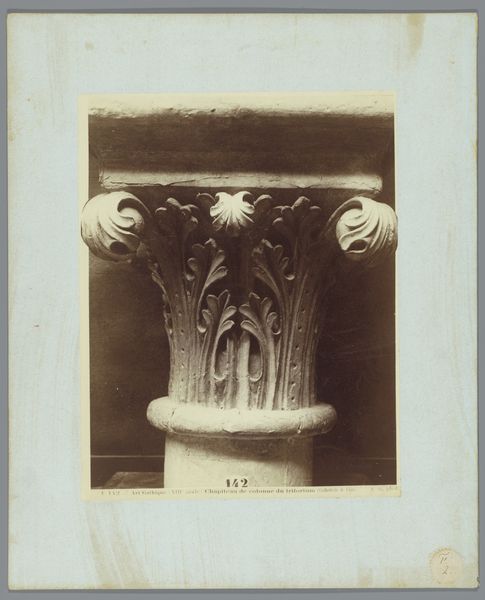
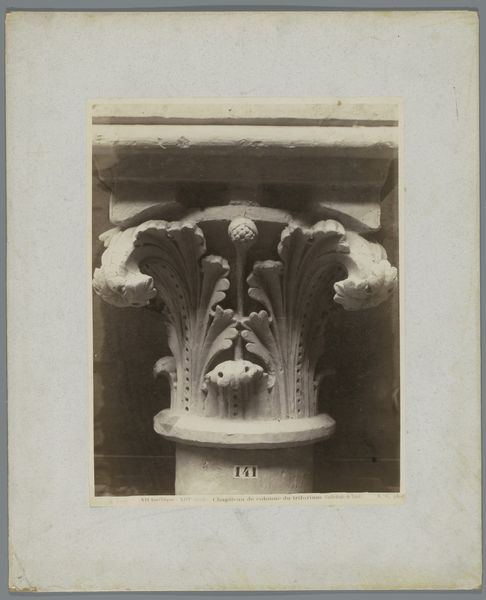
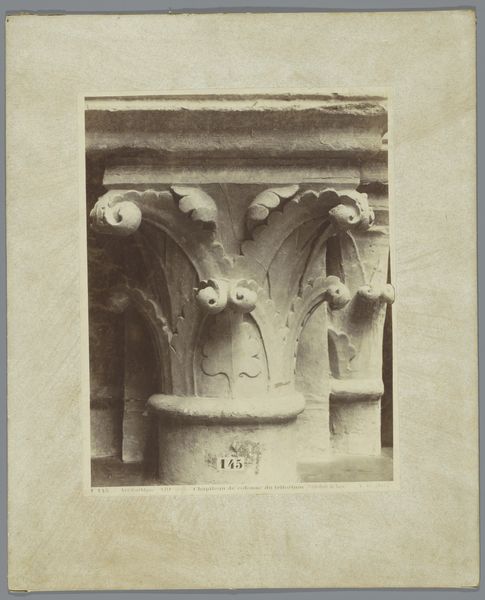
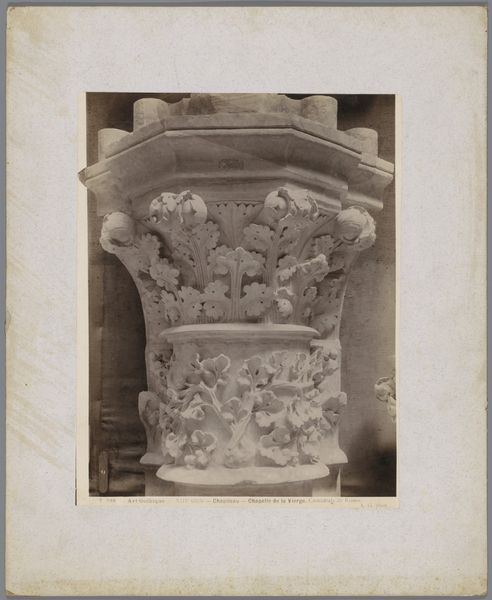
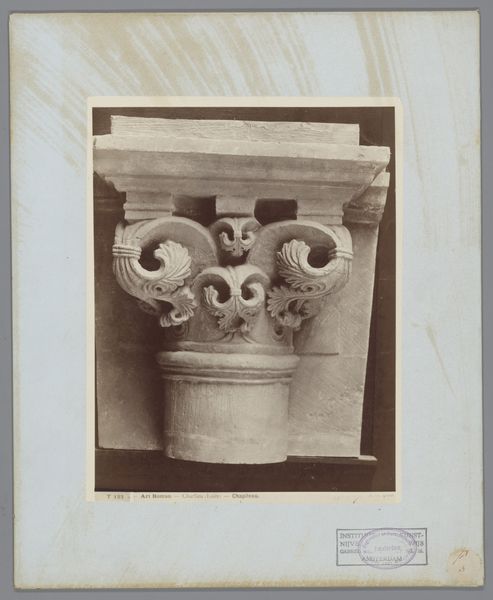
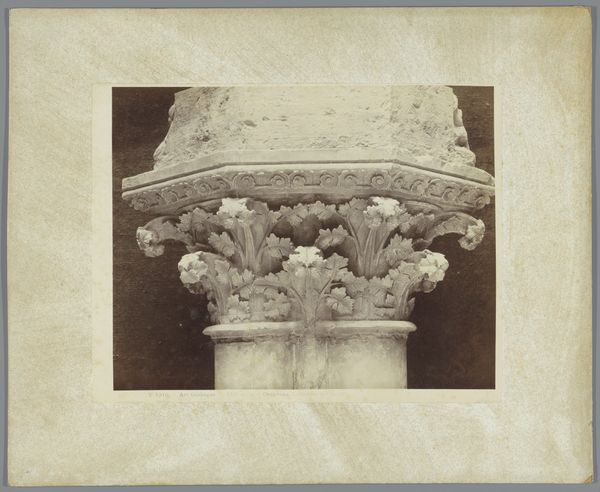
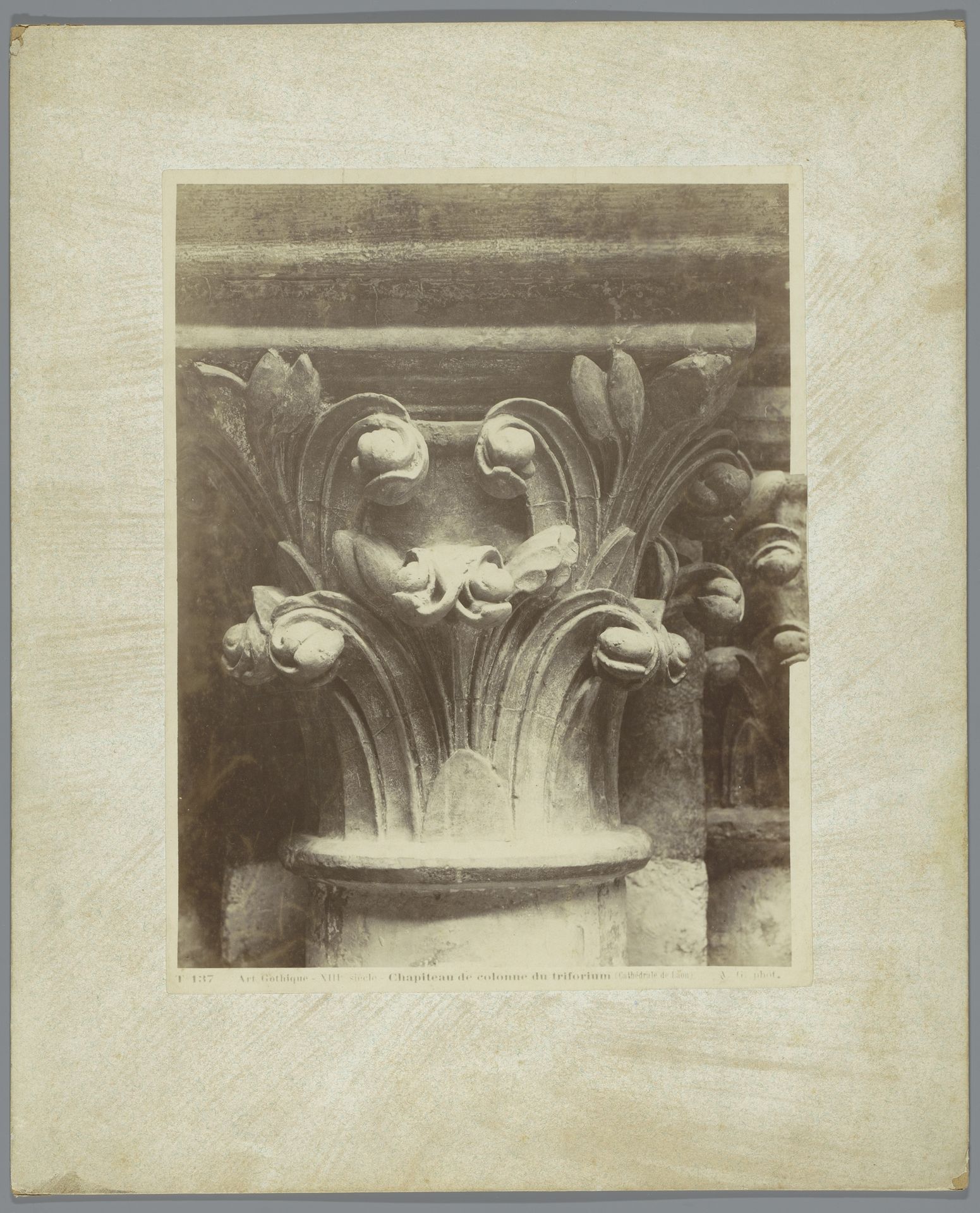
Adolphe Giraudon made this photograph of a capital in the Cathedral of Laon sometime in the late 19th or early 20th century. It presents an image of Gothic architecture, part of a broader cultural movement focused on celebrating and preserving medieval art and architecture. In France, this interest was fueled by a renewed sense of national identity. Figures like Eugène Viollet-le-Duc advocated for the restoration of buildings. Photography played a crucial role, documenting architectural details but also, in a way, contributing to the construction of national heritage. Giraudon, as a commercial photographer, operated within a market driven by these interests. His photographs weren't just documents; they were commodities catering to a taste for the medieval past and a desire for national pride. By studying photographs like these, along with related archival materials, we can better understand the cultural and institutional forces that shaped both artistic production and historical memory.
Kapiteel in de Kathedraal van Laon
c. 1875 - 1900

Adolphe Giraudon
1849 - 1929Location
RijksmuseumArtwork details
- Medium
- photography, gelatin-silver-print
- Dimensions
- height 262 mm, width 204 mm
- Location
- Rijksmuseum
- Copyright
- Rijks Museum: Open Domain
Tags
Comments
Share your thoughts
About this artwork
Adolphe Giraudon made this photograph of a capital in the Cathedral of Laon sometime in the late 19th or early 20th century. It presents an image of Gothic architecture, part of a broader cultural movement focused on celebrating and preserving medieval art and architecture. In France, this interest was fueled by a renewed sense of national identity. Figures like Eugène Viollet-le-Duc advocated for the restoration of buildings. Photography played a crucial role, documenting architectural details but also, in a way, contributing to the construction of national heritage. Giraudon, as a commercial photographer, operated within a market driven by these interests. His photographs weren't just documents; they were commodities catering to a taste for the medieval past and a desire for national pride. By studying photographs like these, along with related archival materials, we can better understand the cultural and institutional forces that shaped both artistic production and historical memory.
Comments
Share your thoughts