17th century
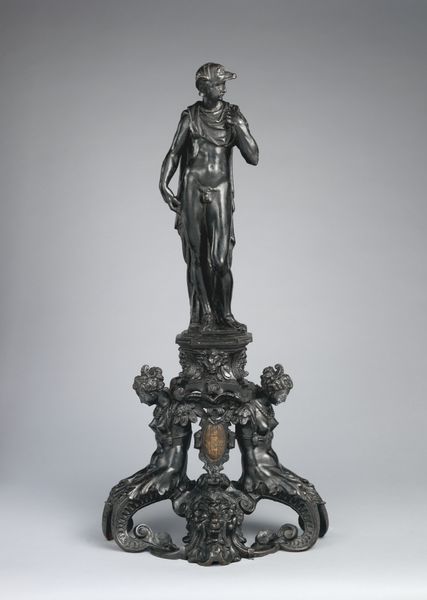
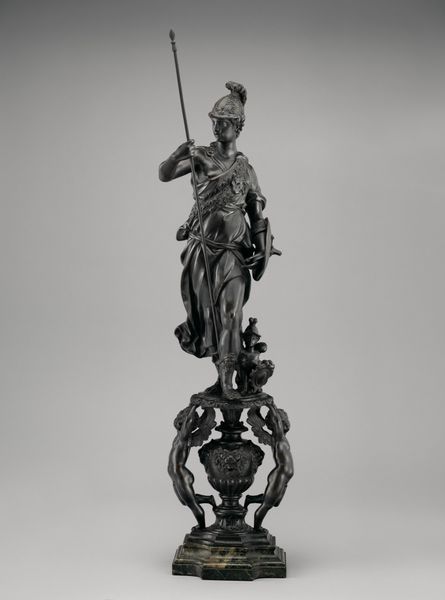
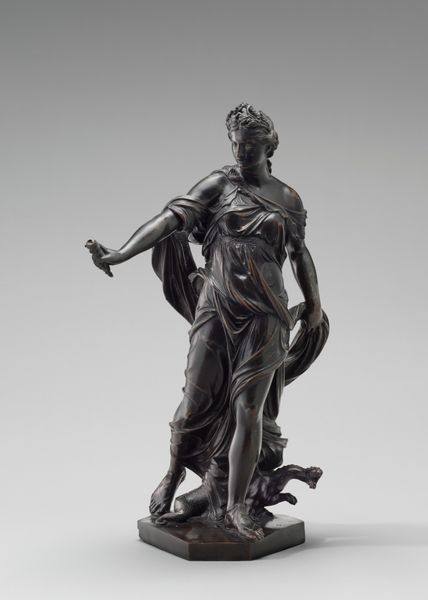
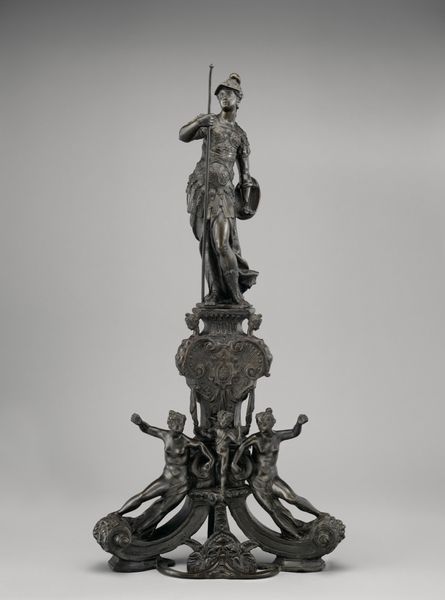
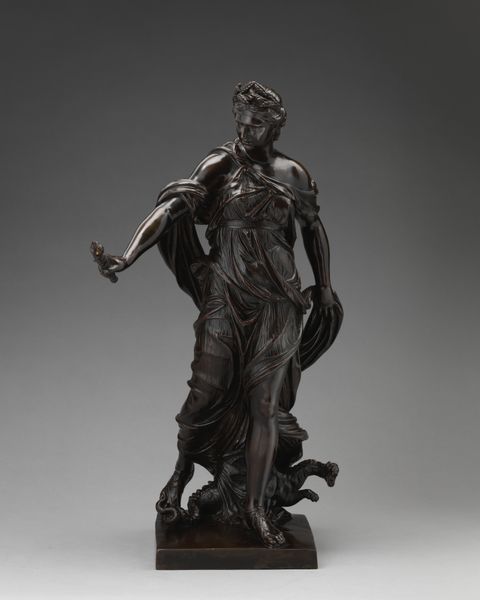
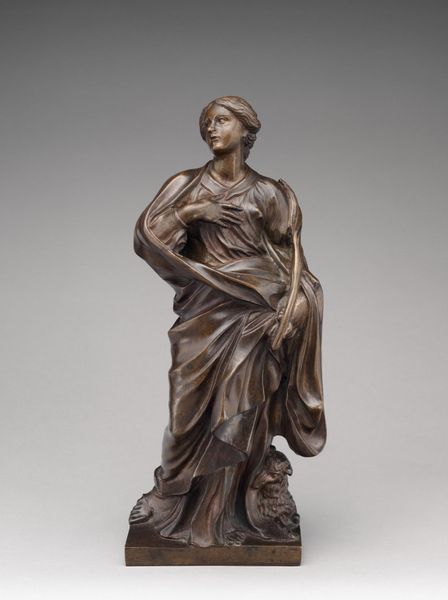
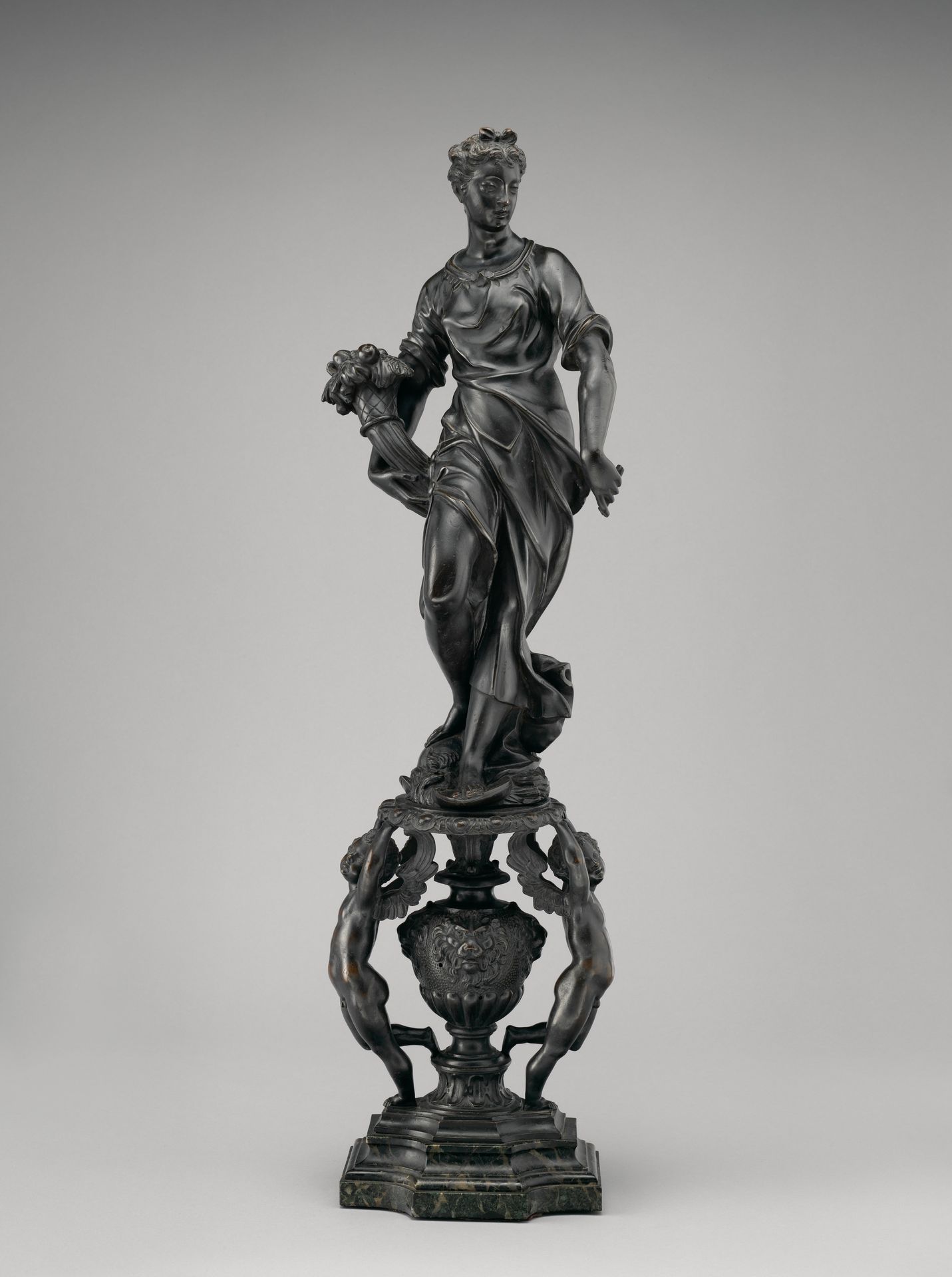
Andiron with figure of Ceres (allegory of Peace) (one of a pair)


Listen to curator's interpretation
Curatorial notes
Girolamo Campagna created this bronze andiron, featuring Ceres as an allegory of peace, in the late 16th or early 17th century. Campagna was working in Venice, during a time when the city was a major center for art and culture, but also a complex social and political landscape. The figure of Ceres, the Roman goddess of agriculture, fertility, and motherhood, embodies a vision of peace deeply entwined with the productivity and nurturing power of the land. In this way, Ceres transcends a simple symbol; she is a figure through which early modern viewers could contemplate the connections between social stability, gender roles, and natural abundance. Consider how the choice of Ceres, a female deity, subtly challenges or reinforces contemporary patriarchal norms. As you reflect on this andiron, think about how historical representations shape our understanding of peace and prosperity today.