c. 1643
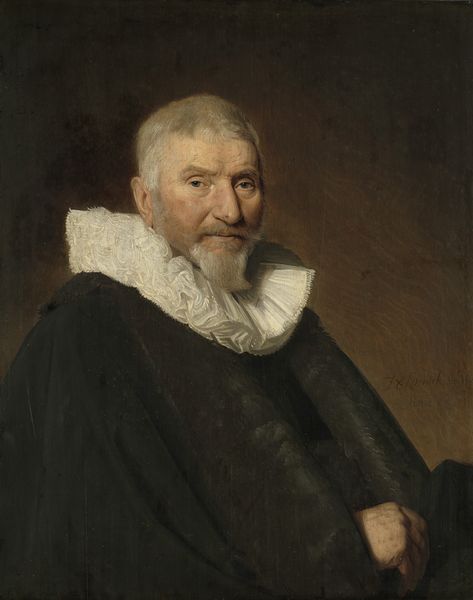
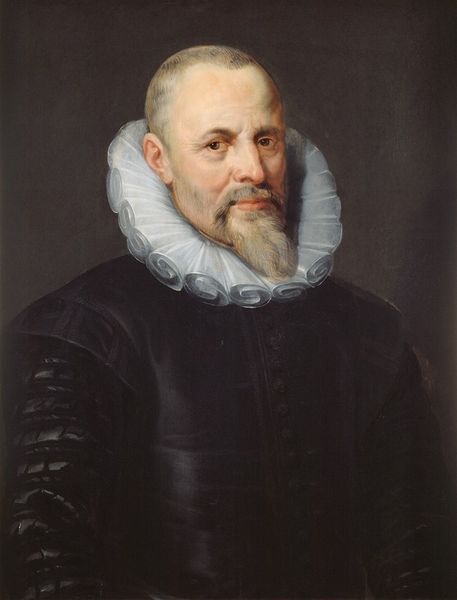
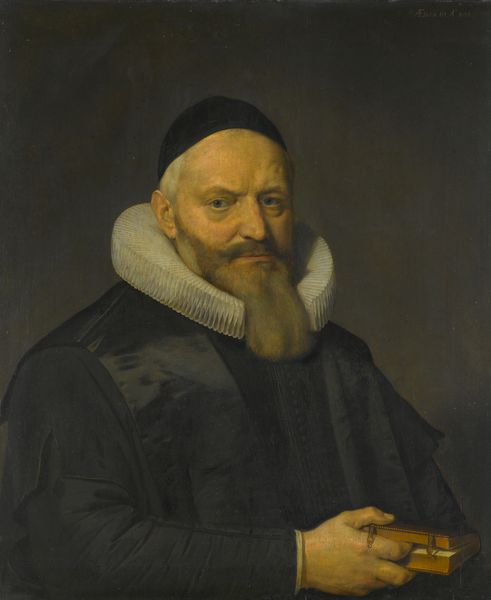
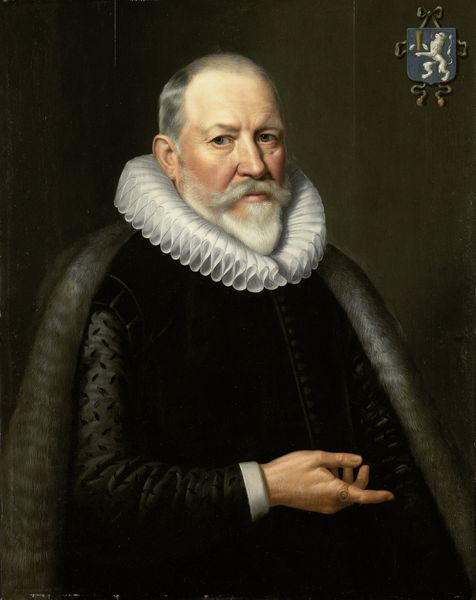
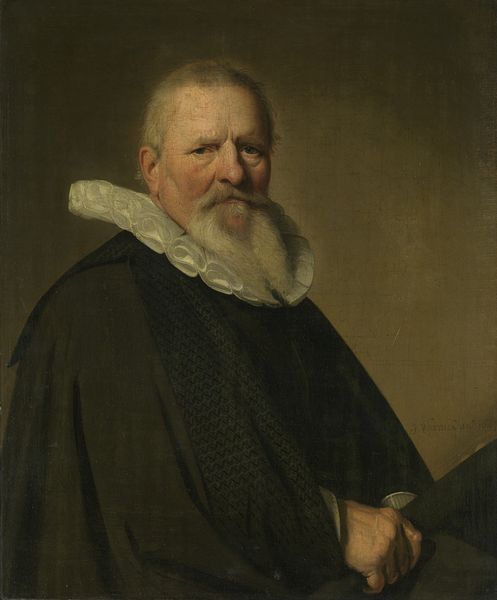
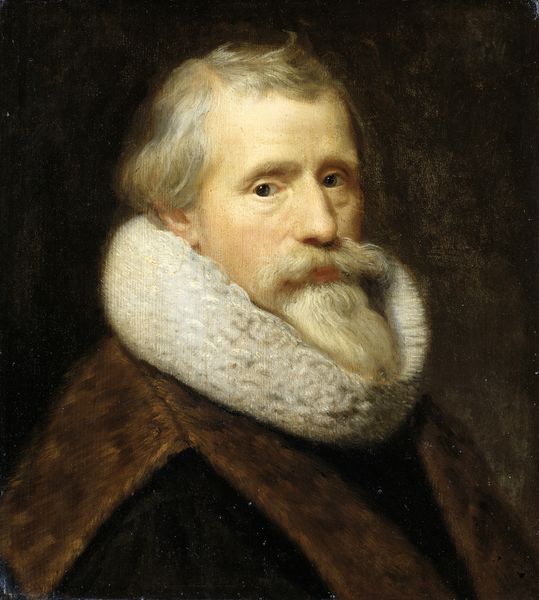
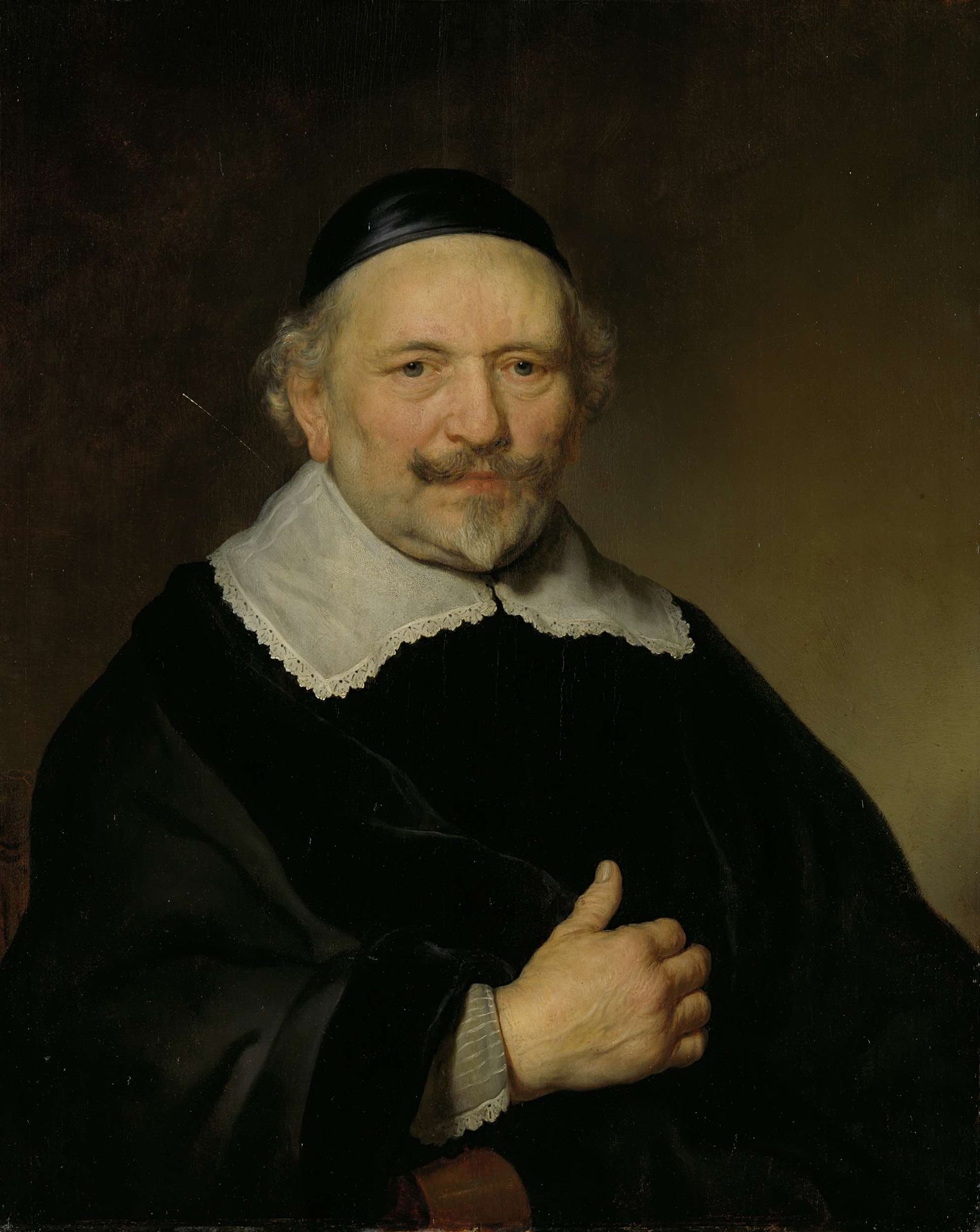
Portrait of a Man, probably Augustijn Wtenbogaert (1577-1655)

Govert Flinck
1615 - 1660Location
RijksmuseumListen to curator's interpretation
Curatorial notes
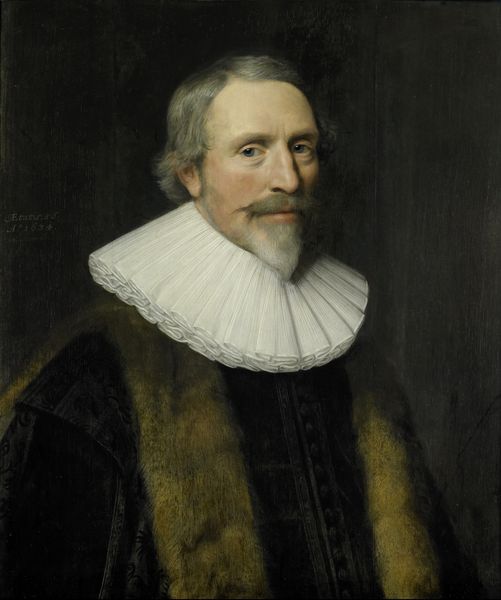
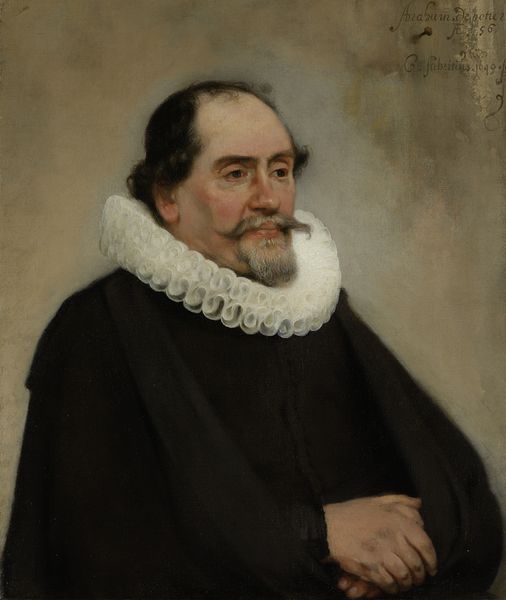
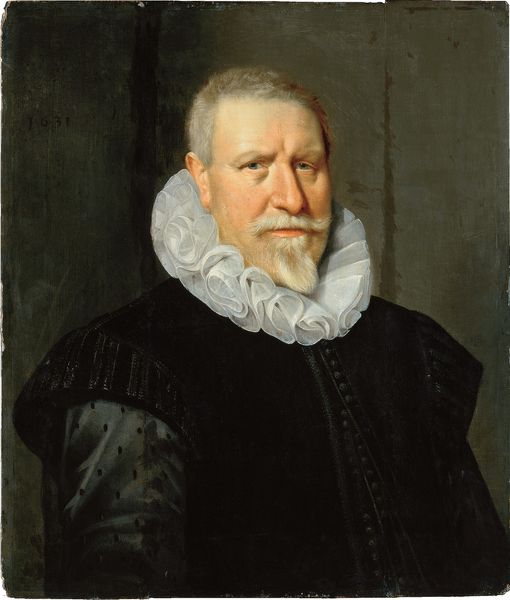
Govert Flinck painted this oil on canvas portrait of a man, probably Augustijn Wtenbogaert, sometime in the mid-17th century. The Dutch Golden Age saw an unprecedented demand for portraiture from the rising merchant class eager to display their wealth and status. Flinck, like many artists of his time, adopted a style influenced by Rembrandt, emphasizing dramatic lighting and realistic detail. The subject’s clothing and demeanor speak to his position within Dutch society, possibly as a religious figure or a member of the educated elite. It’s interesting to consider how portraiture served as a form of social currency, reinforcing existing hierarchies while also offering new avenues for social mobility. To fully understand the painting, we can delve into archival records, examining the social and economic structures of 17th-century Netherlands. By considering the institutional and cultural forces at play, we can gain a deeper appreciation of the painting’s historical significance.